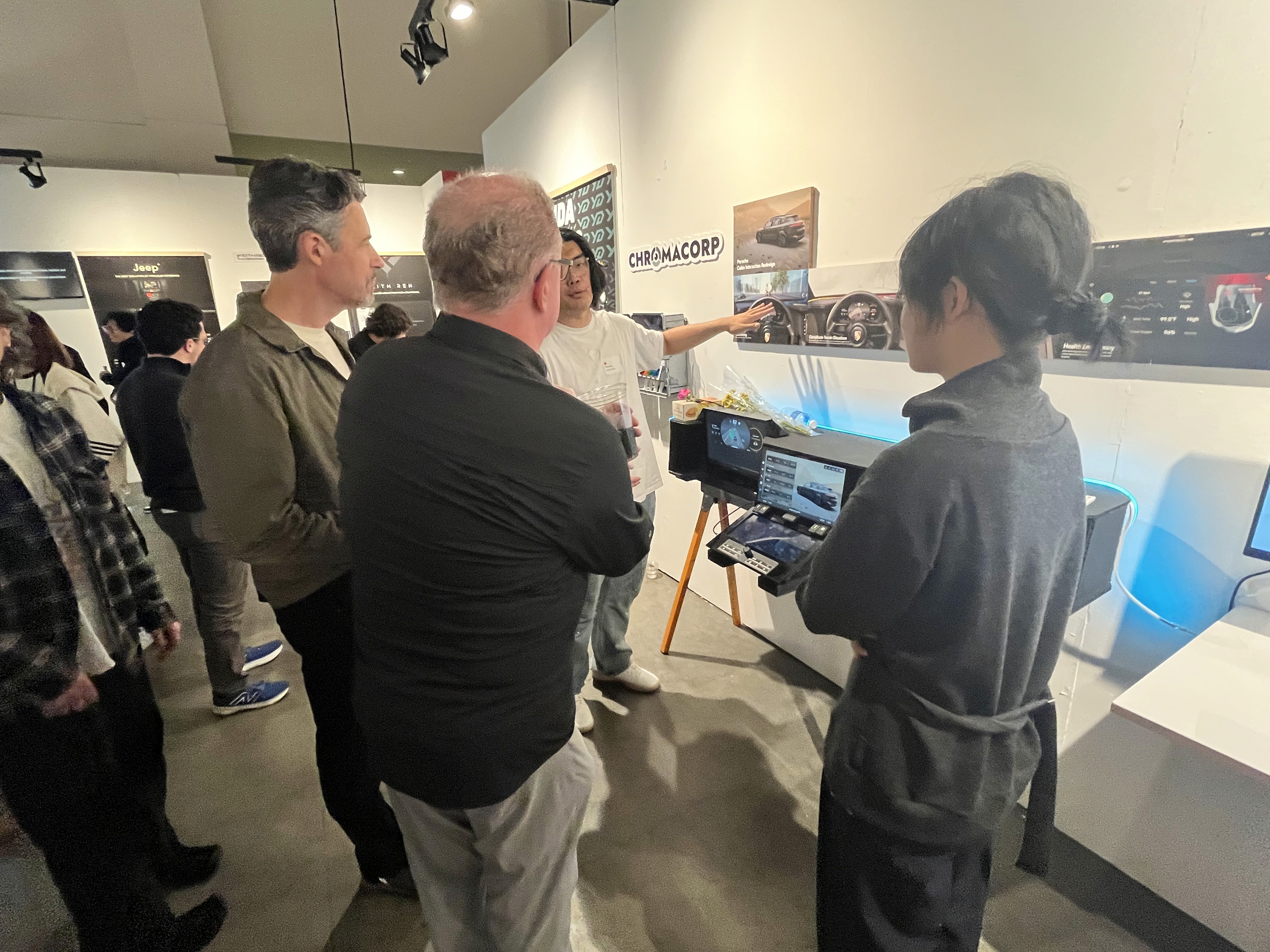
Porsche Active Sensing Cockpit
Category
Automotive UX Strategy
Team
Jerry Cai
Yilin Jin
Jason Jiang
Brayana Lee
My Role
Product R&D
HMI Design System
3D Visualization
Physical Prototyping
Redefining Porsche’s performance DNA by integrating proactive well-being assistance and critical emergency response into the digital experience. Utilizing multi-modal sensing, the vehicle anticipates passenger needs before they are spoken—from sudden medical crises to emotional care—creating a cabin that is safe, calm, and intuitively in control.
Lead Product Designer
Jerry Cai
HMI Designers
Yilin Jin
Brayana Lee
Creative Technologist
Jason Jiang
Background
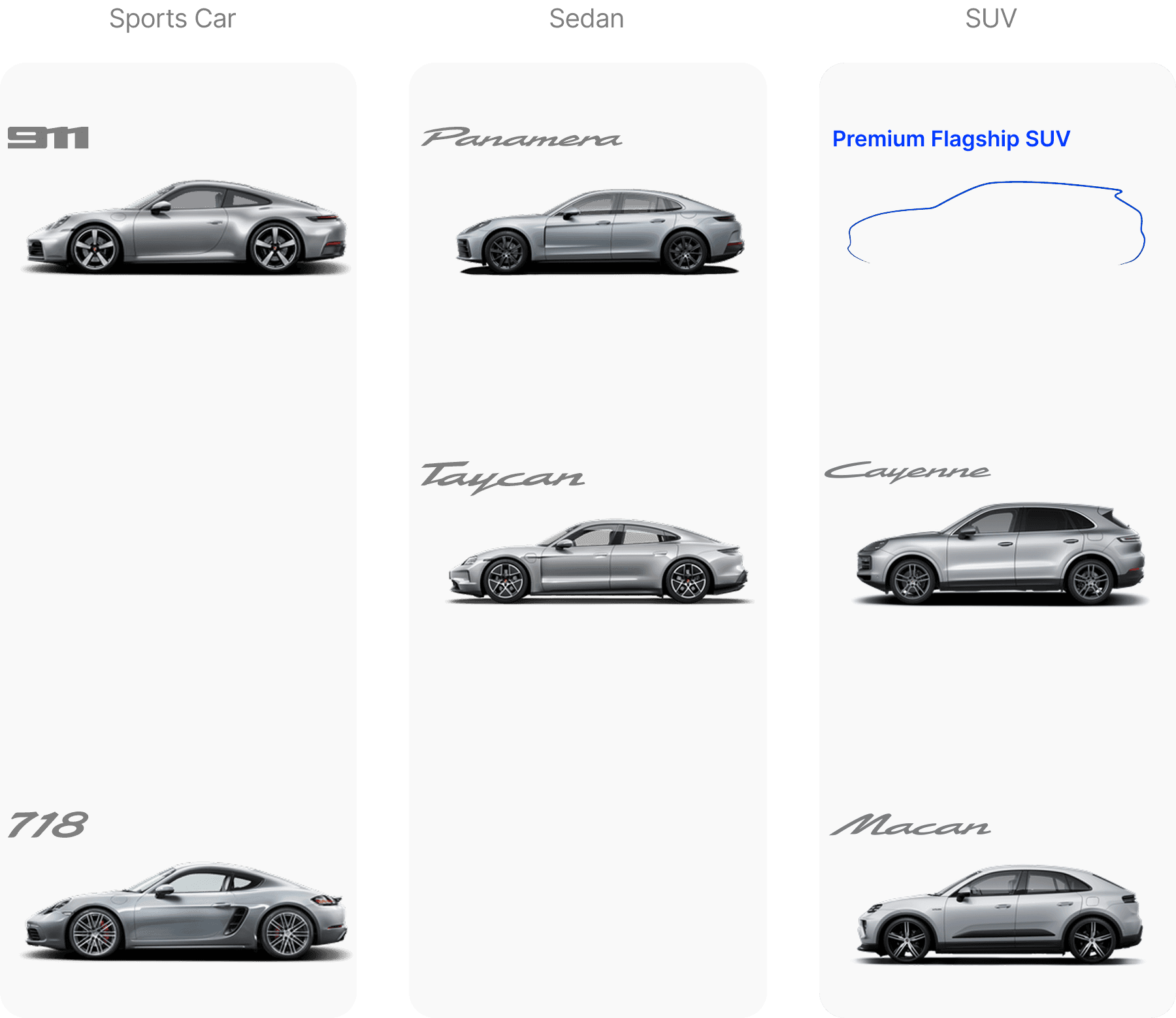
Porsche In 2030
Preserving the Porsche DNA while adapting to a new era of intelligence mobility
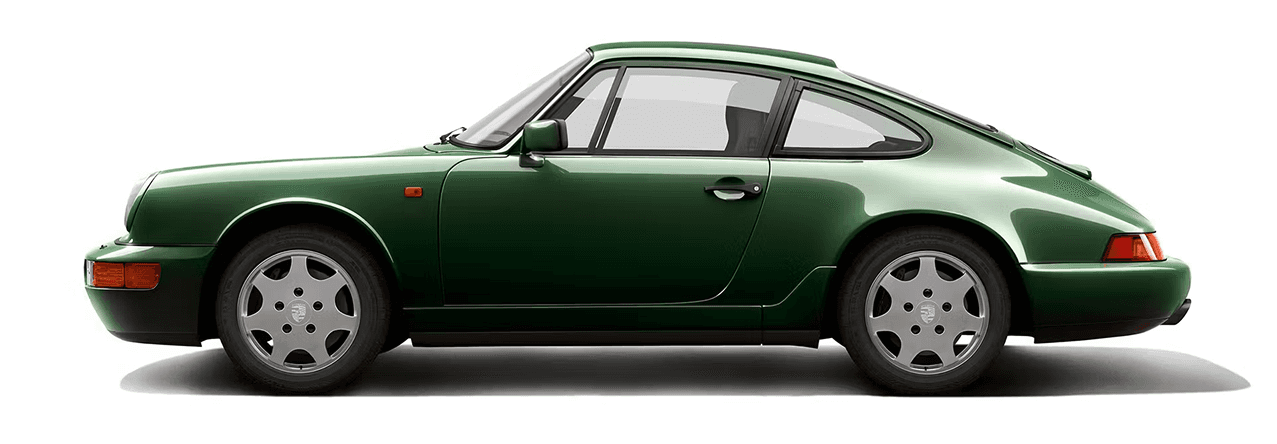
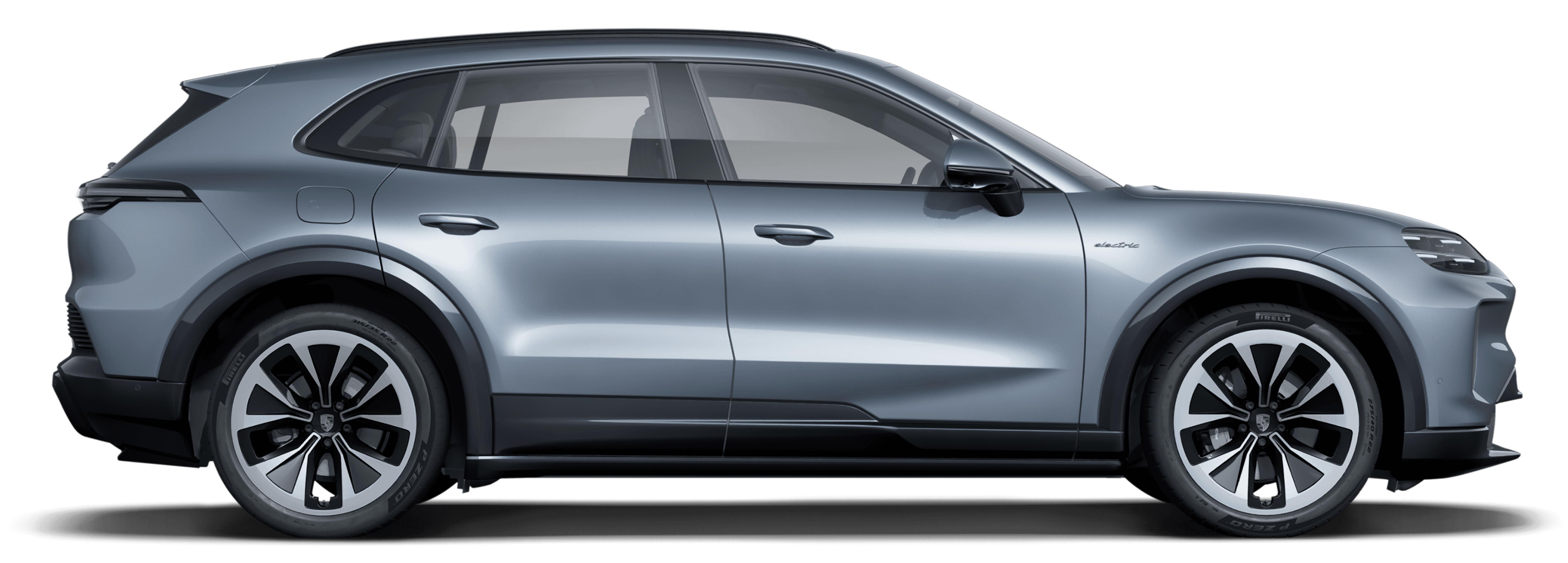
Current Market
60%
of Porsche’s global sales are SUVs.
50%
Global Revenue Contribution
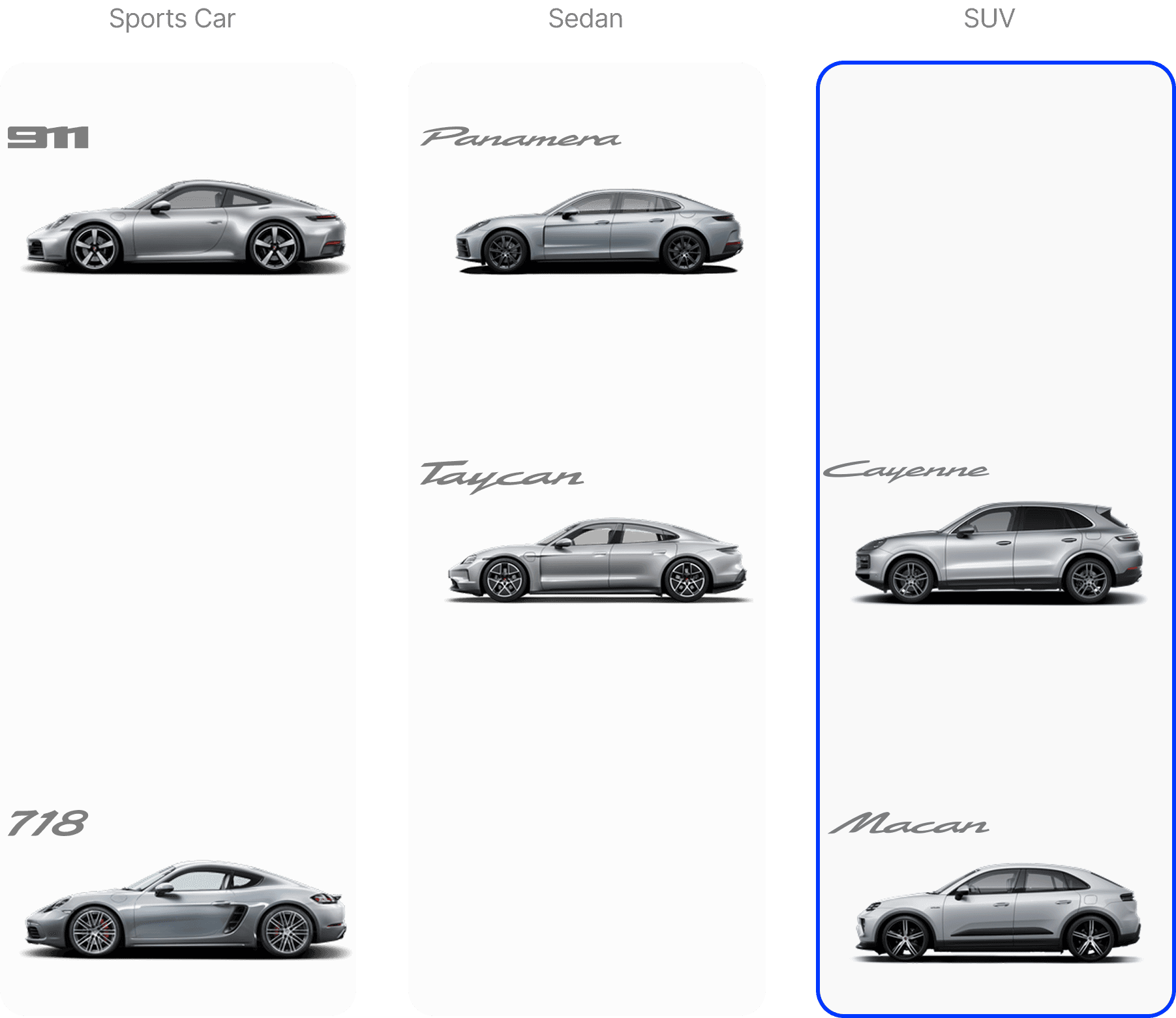
Strategic Direction
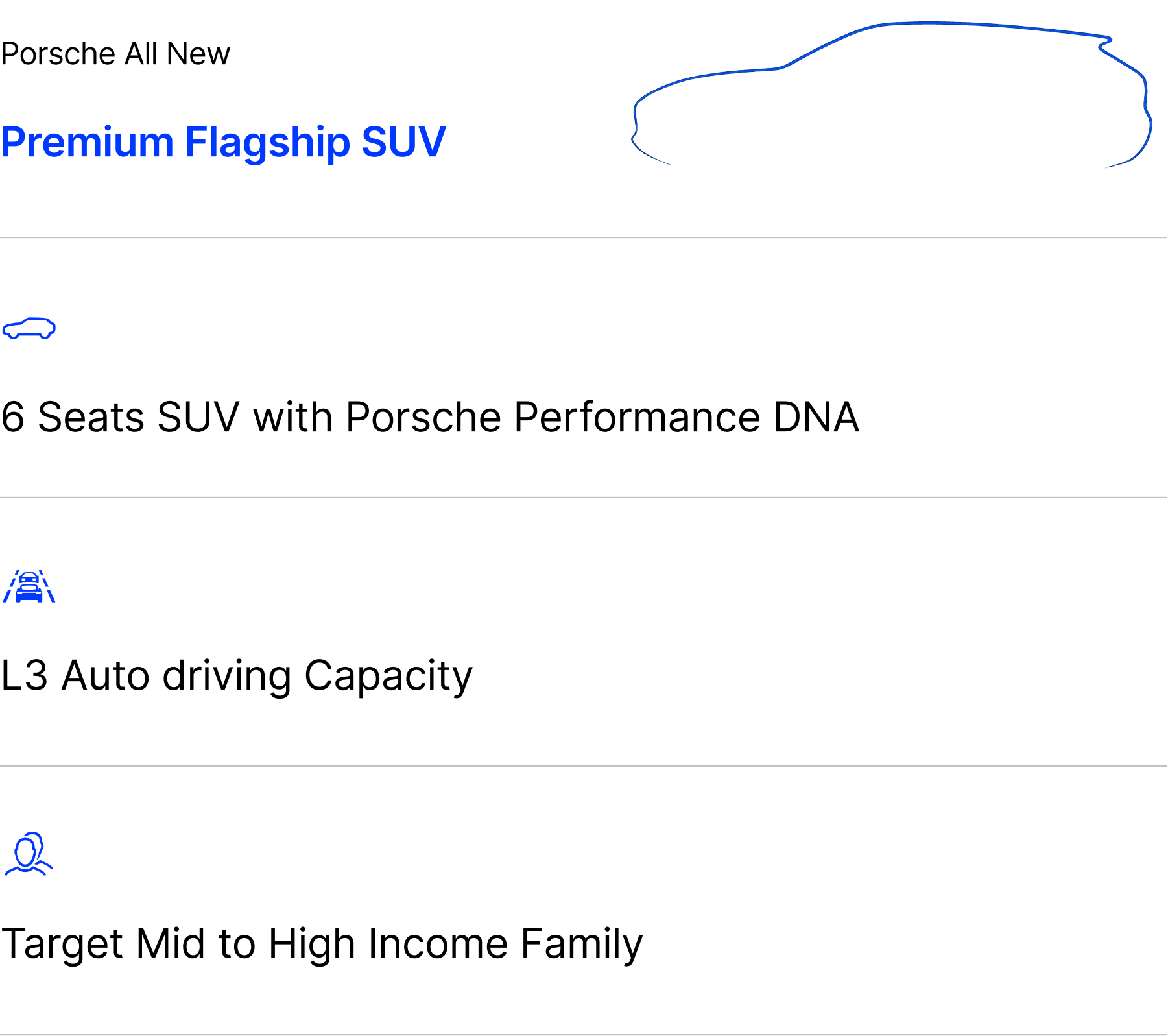
User Research
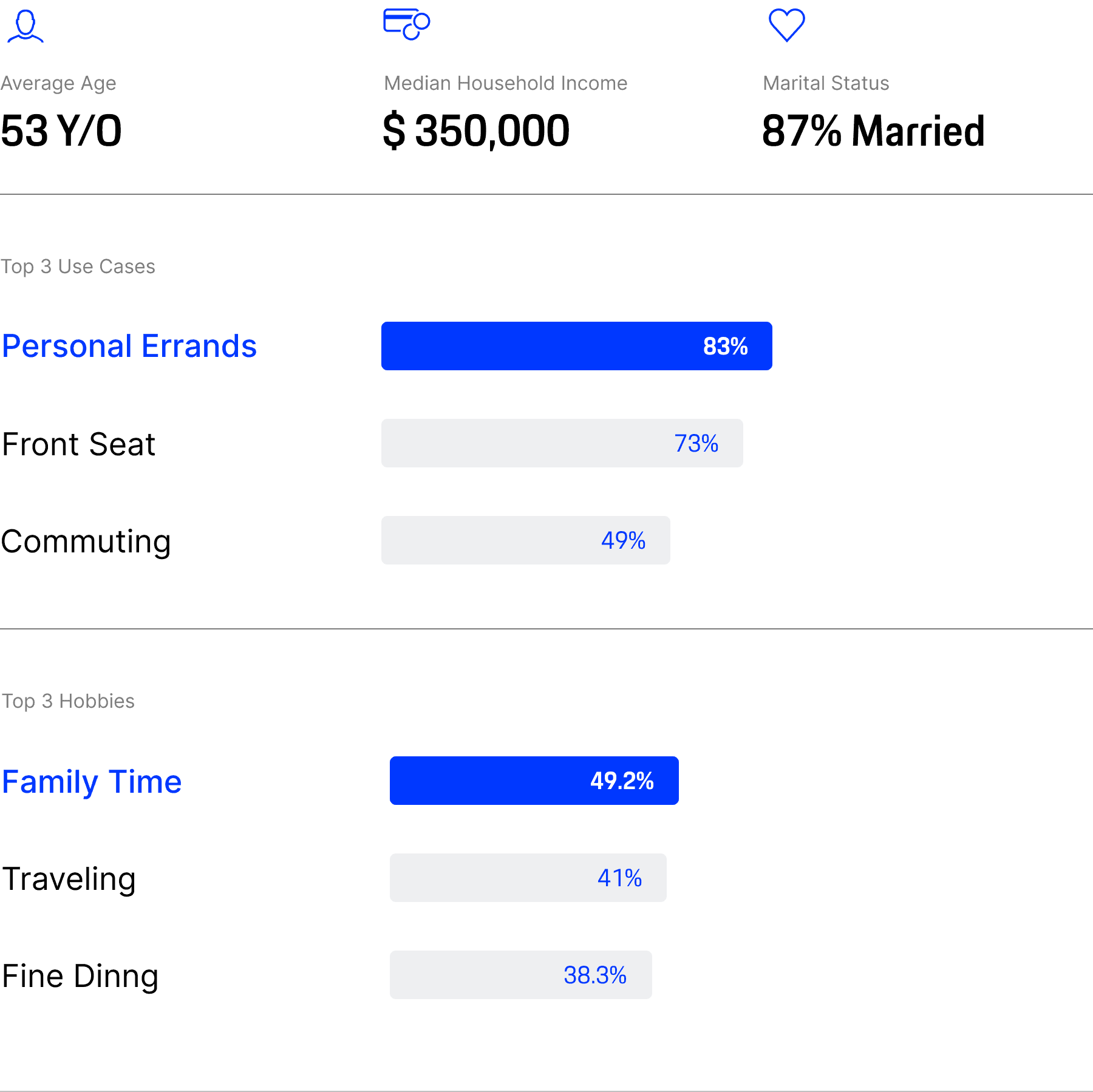
Customer Demographic
Established & Family-Centric
Targeting the affluent provider who values shared experiences over solo driving.
Prioritizing Family Well-being
Safety amd well-being is there baseline. Their new luxury is the health and comfort of every passenger
Expectation of Seamless Intelligence
Expecting digital experiences that match their tech-forward habits, without compromising the premium heritage of Porsche.
Persona
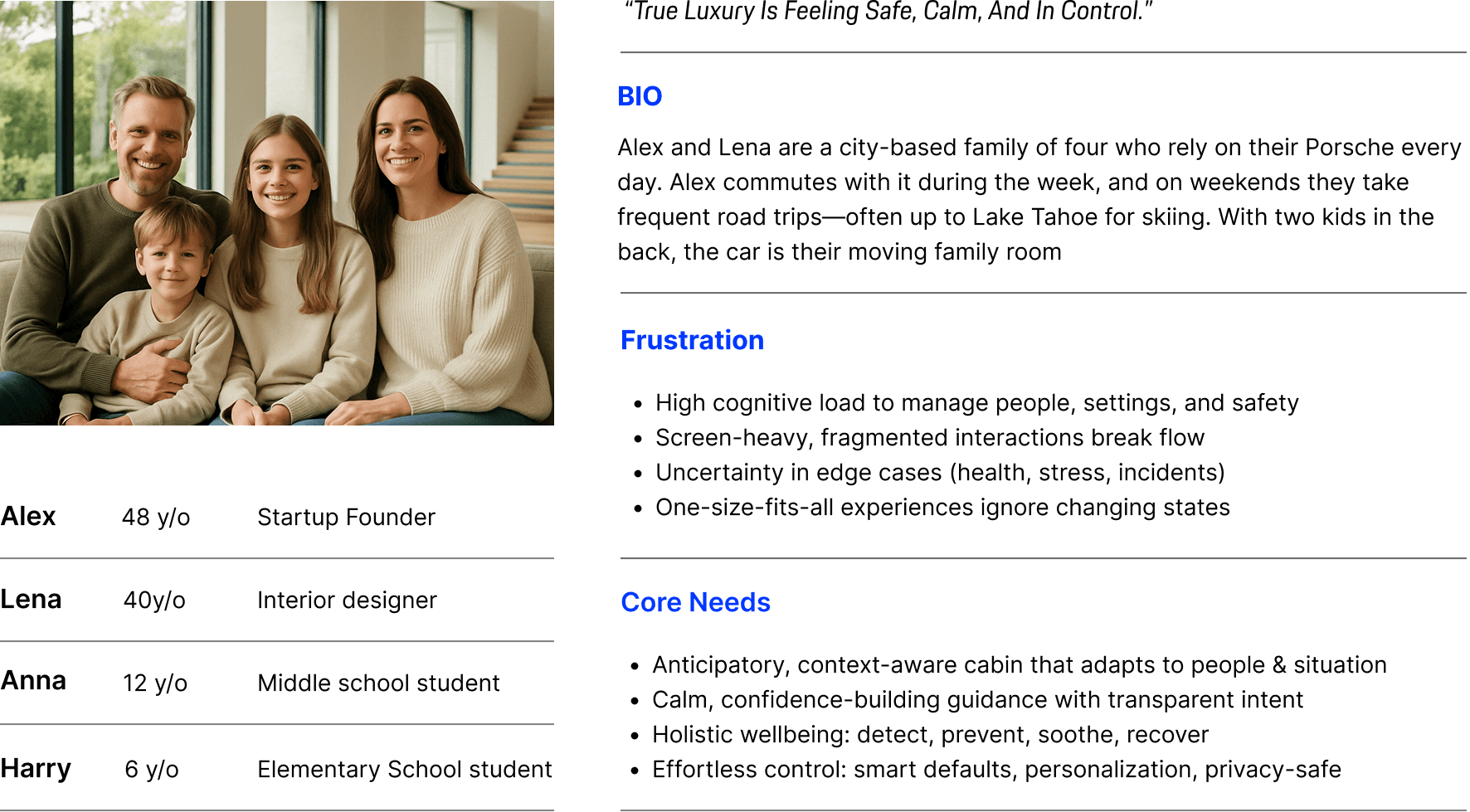
Design Challenge
How might we evolve Porsche’s heritage through seamless intelligence to deliver family well-being?
Design Opportunities
Affinity Mapping Insights
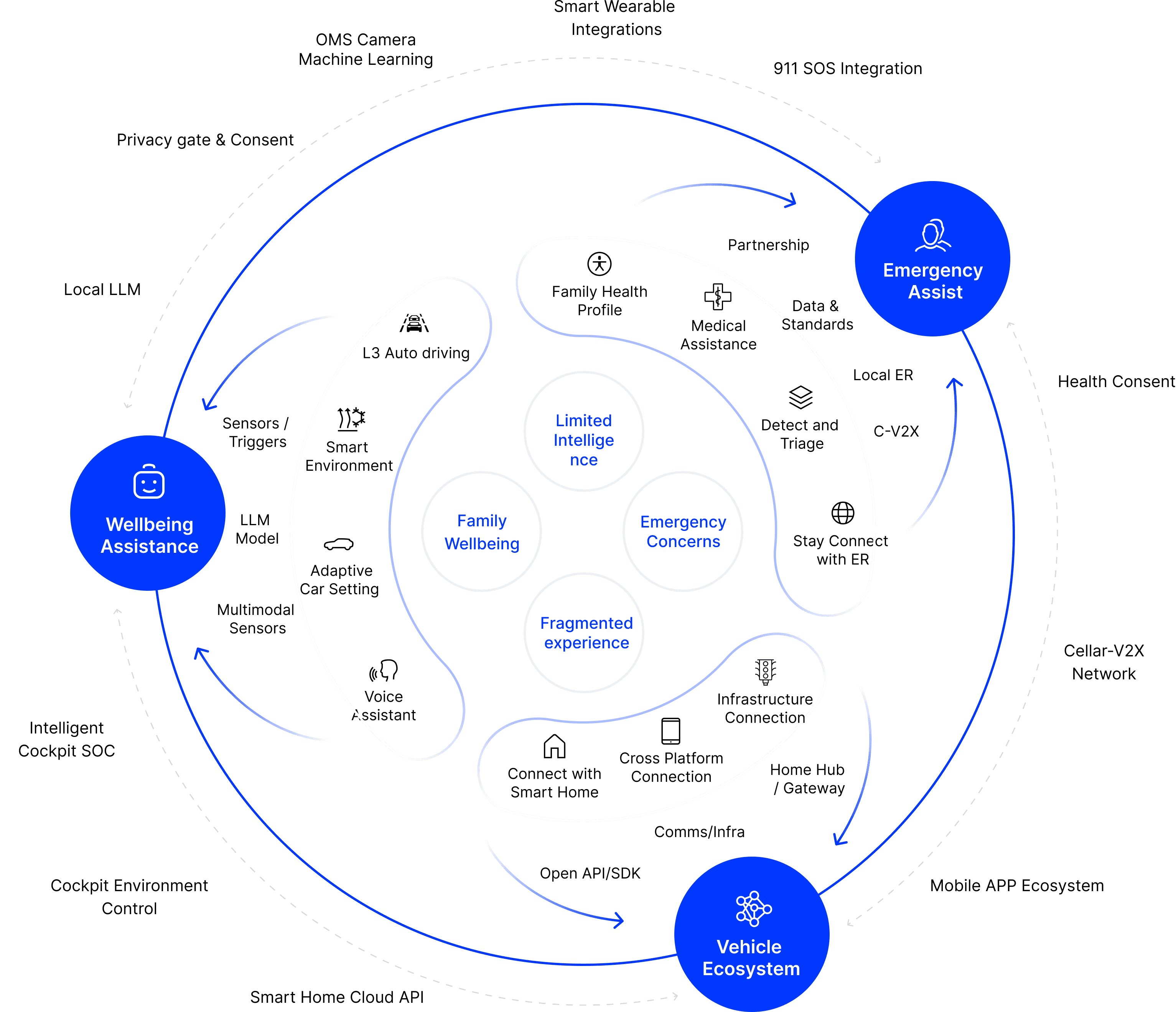
Wellbeing Assistance
Emergency Assistance
Intelligence Ecosystem
Wellbeing Assistance
Wellbeing Assistance
To shift the vehicle from a passive transportation into an active caregiver that anticipates and manages passenger wellbeing before needs even arise.
Primary Research
Research Setup
Understand driving routines and attitudes toward Proactive Assistance
Participants:
Method:
Demographic Location:
Key Metrics:
10 EV family users in the U.S.
Flow State Survey & Interviews
Greater LA Area
Trust Level & Flow Short Scale
86%
Express clear concerns about privacy and data permissions.
Feel current EV UX isn’t intelligent enough for daily use.
73%
Hope intelligence that learns personal preferences and context.
Insight — Data Sovereignty
“I love the idea of the car helping me when I’m stressed, but not if it means my private moments are being recorded and sent to a cloud. I need to know exactly what is being collected and have full control over how it’s used.”
— EV Family User, LA Area
Avoid “Black Box” Collection
Users demand transparency. They must know exactly when emotion detection is active.
Granular Control
Users own their data—providing clear options to view, delete, or opt-out at any time.
HIPAA Compliance
Physiological data may trigger HIPAA liabilities, requiring the system to treat emotional metrics as sensitive medical records
Design Challenge
How might we transform the cockpit into an empathetic companion without compromising the user’s sense of privacy and control?
Design Solution
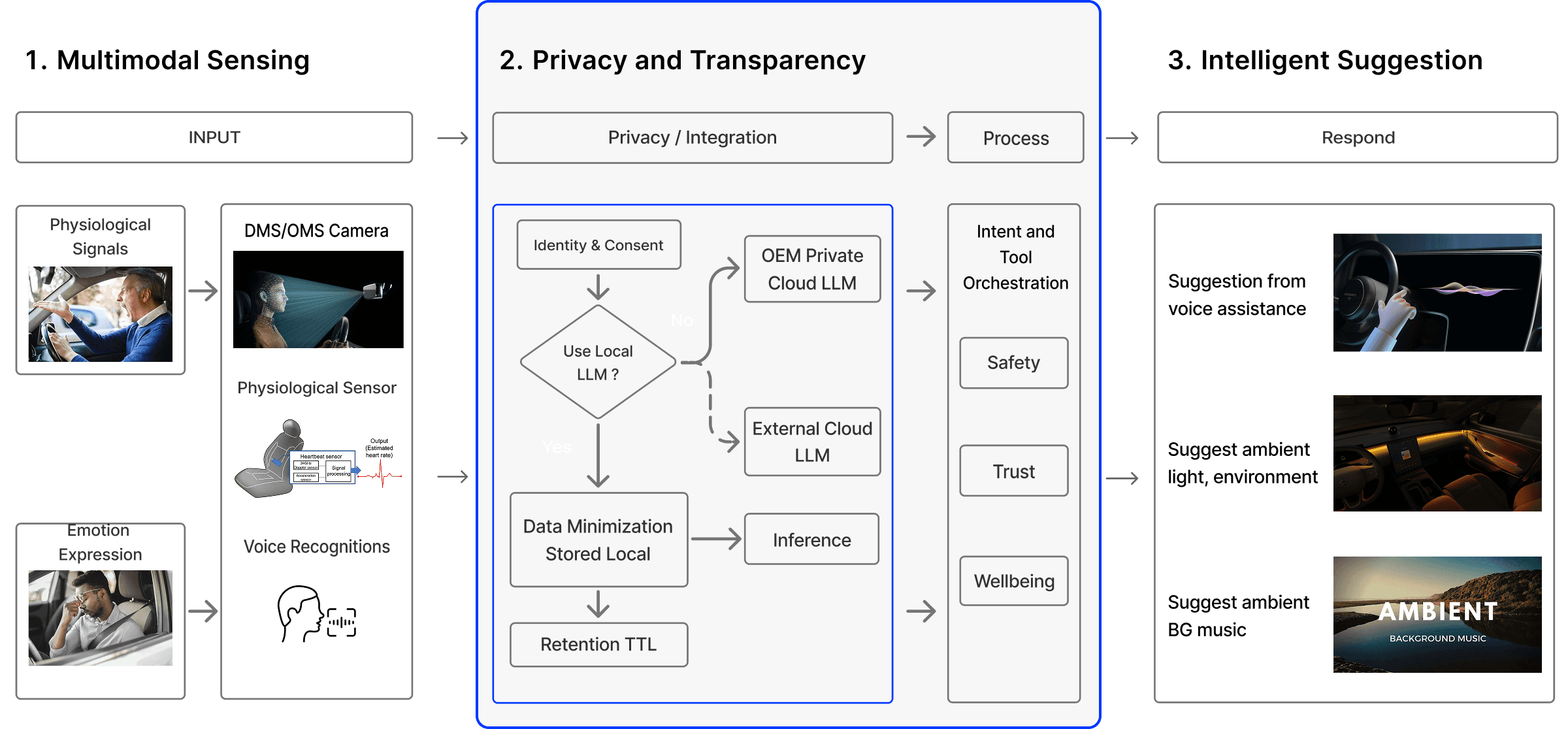
Privacy-First AI Assistance Architecture
Before processing, a privacy gate applies profile-based consent and data minimization. User can opt out of collecting your children’s data in settings. Inference runs local-first, and we route to cloud LLMs only when required, always showing what data is used and why.
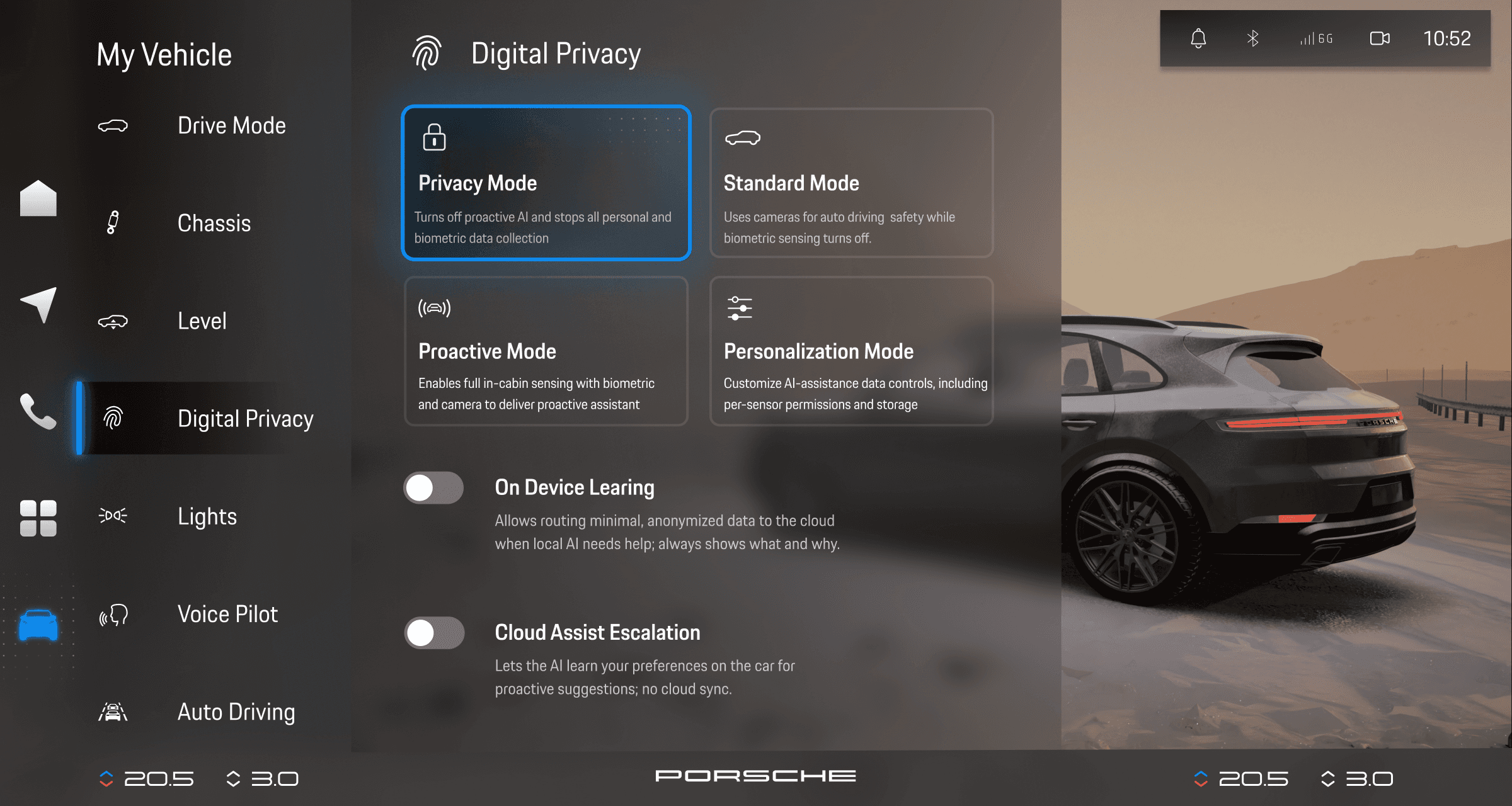
Transparent Control on Digital Privacy
I designed four privacy modes integrated into the car settings. Users can switch among Privacy, Standard, Proactive, and Personalization with one tap, or personalize per seat with precise sensor permissions and data-retention rules.
User Scenario
On a family trip from San Jose to Yosemite, Proactive AI supports the family’s safety and well-being.
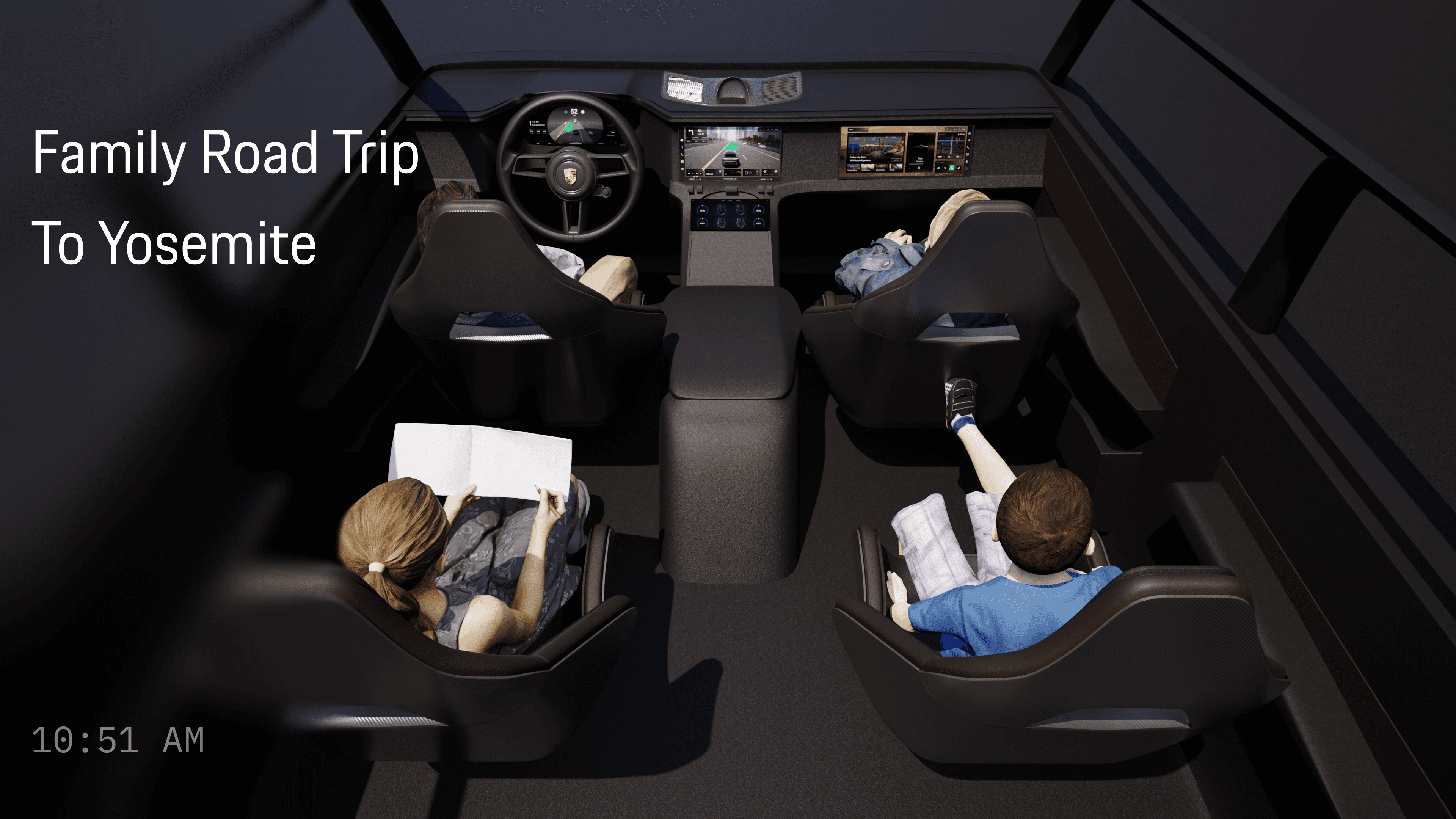
A family of four is on a road trip. Dad is driving the car in the front, mom is sitting in the front, kids sit in the back.
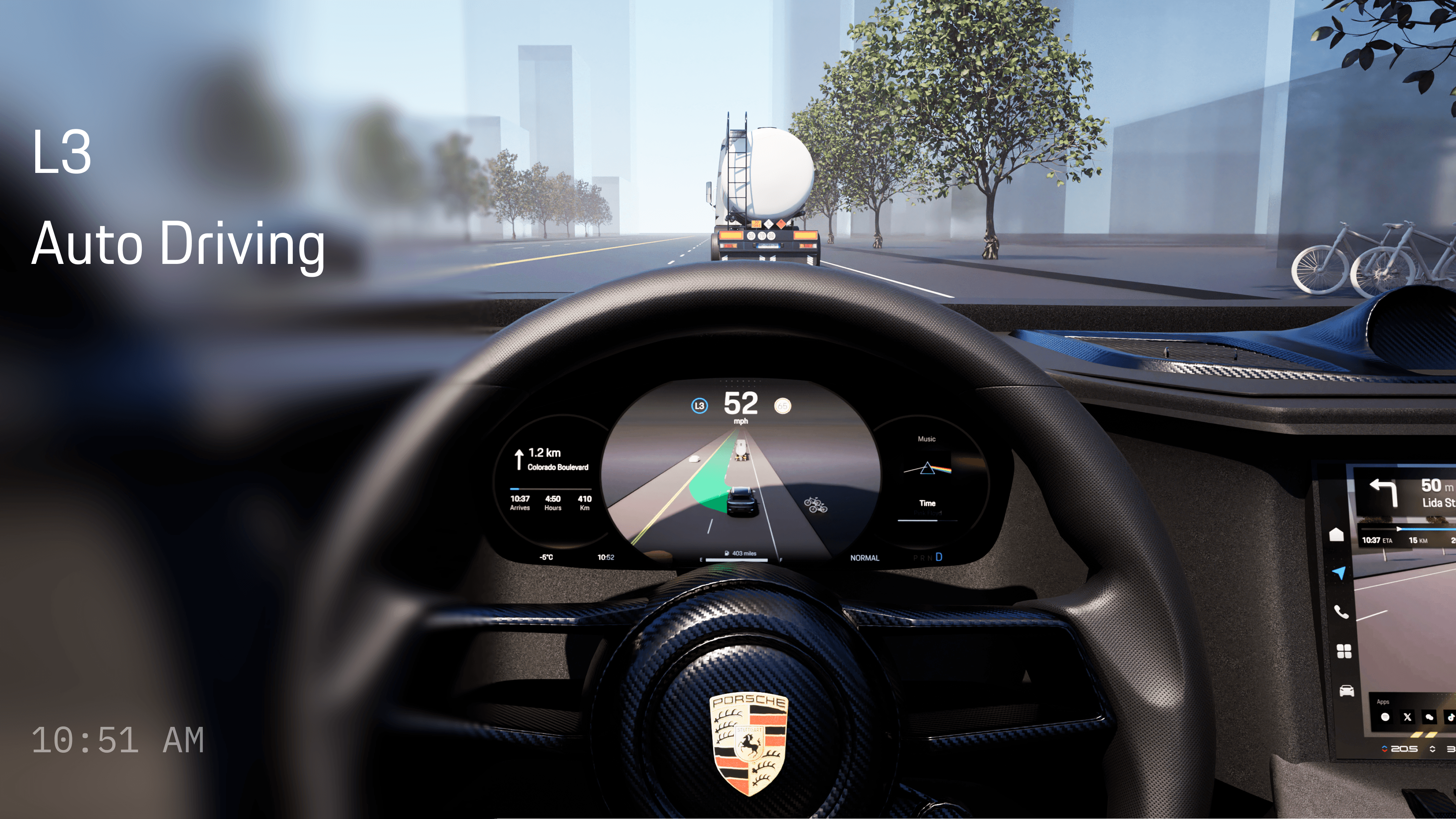
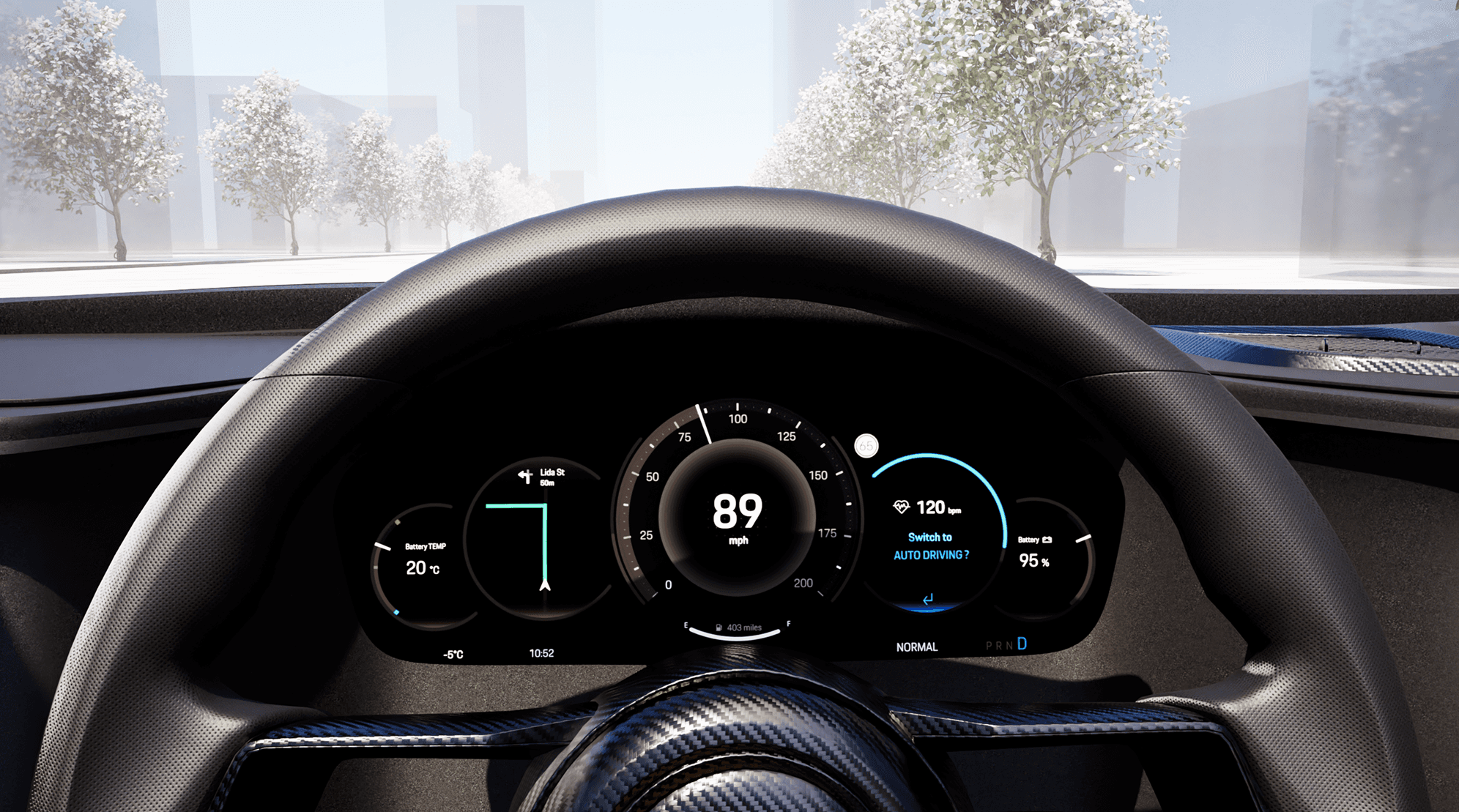
Driver Activating L3 auto driving, Porsche Active Sensing is constantly monitoring the passengers and drivers.
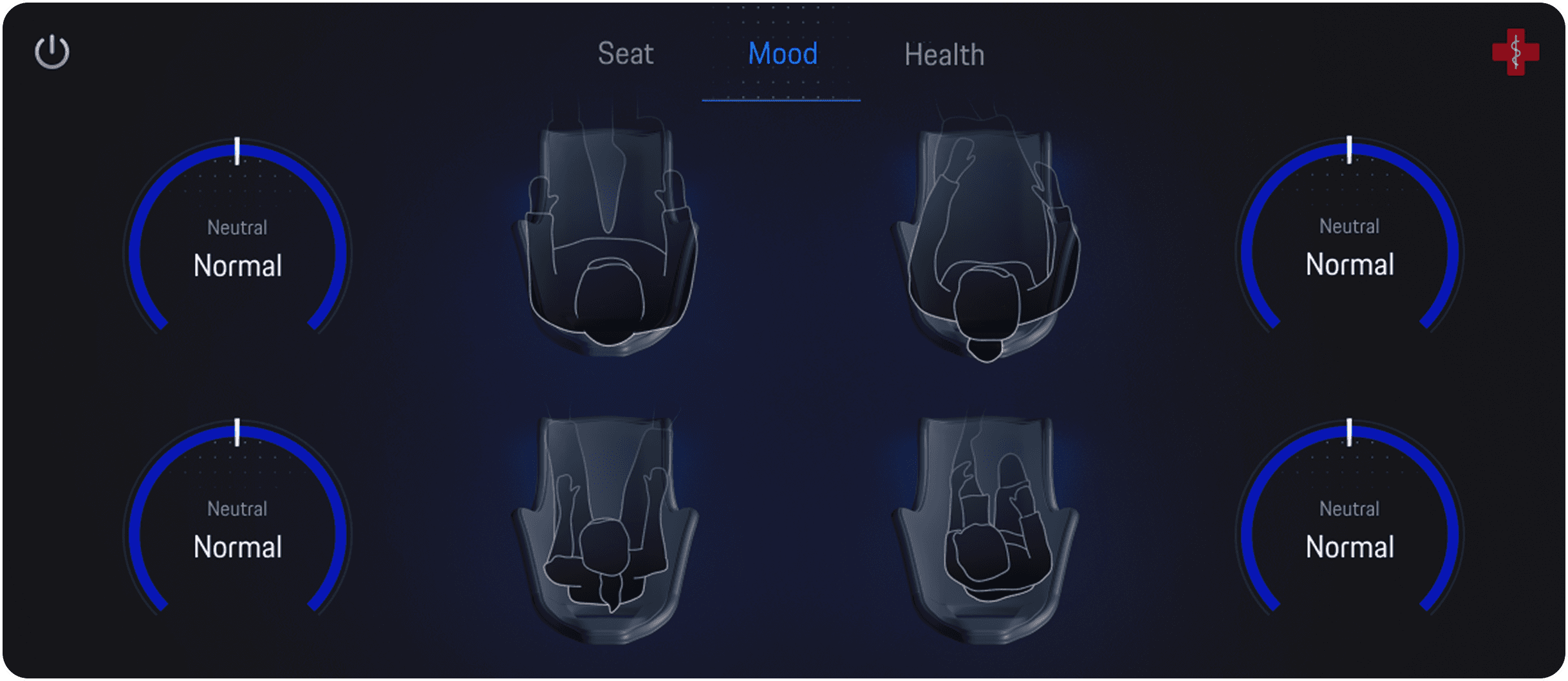
The bottom screen continuously visualizes each passenger’s mood in real time.
“DAD! I WANT TO PEE!”
A restless child needs a restroom, becomes naughty, and bothers
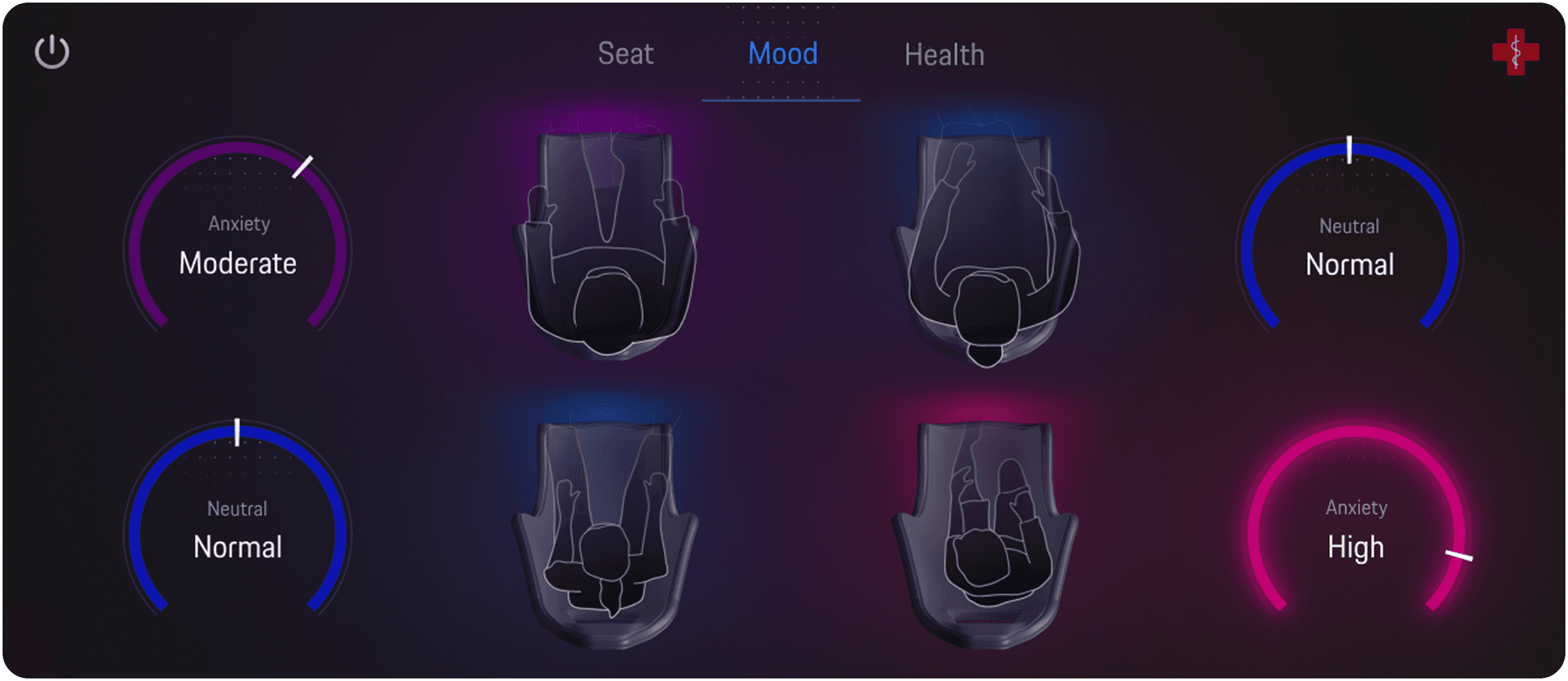
Without needing to verbalize the issue, their mood indicator gradually shifts color.
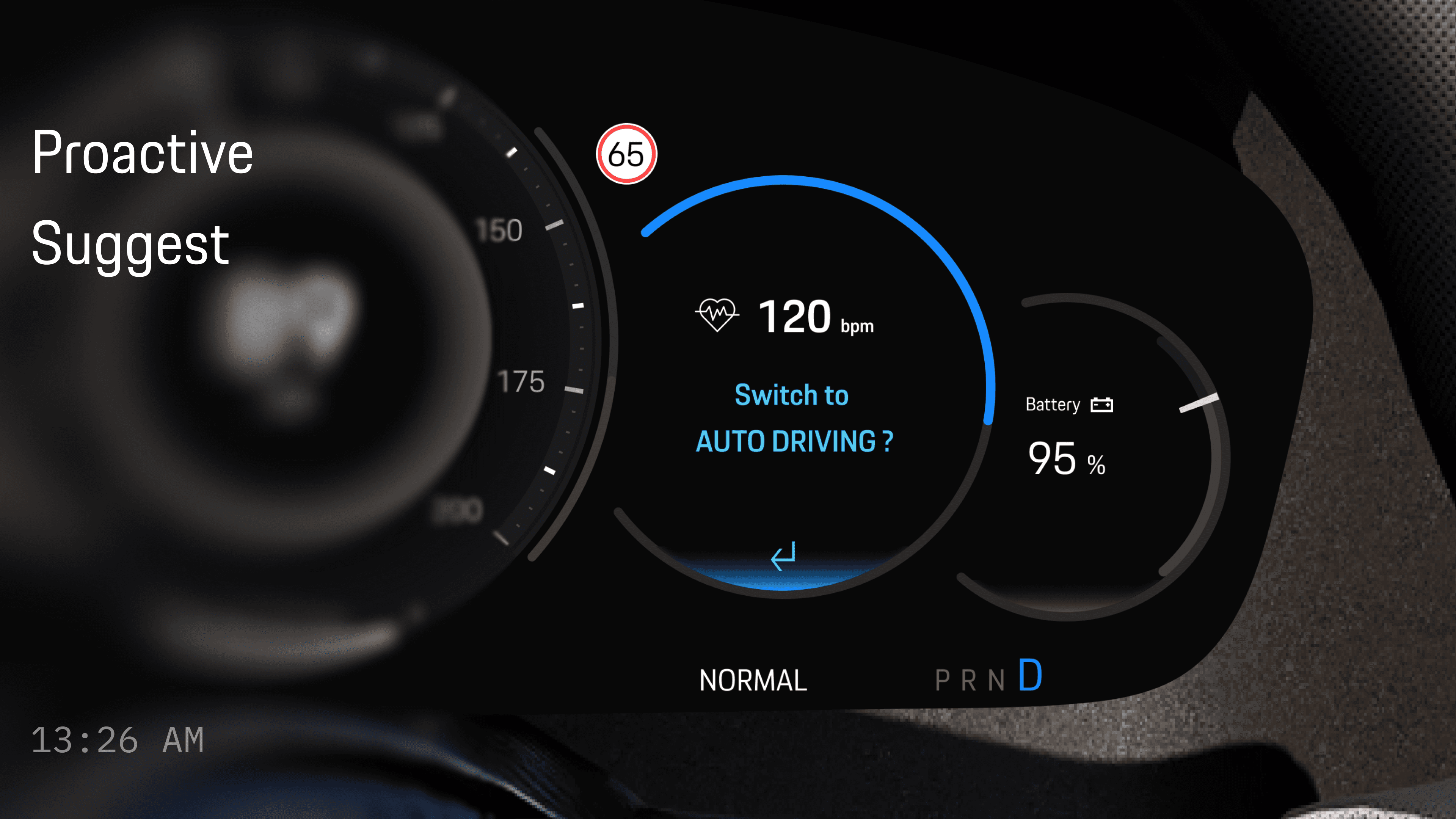
The system detects that the driver is affected by the situation and has a rising heartbeat, and proactively suggests auto-driving.
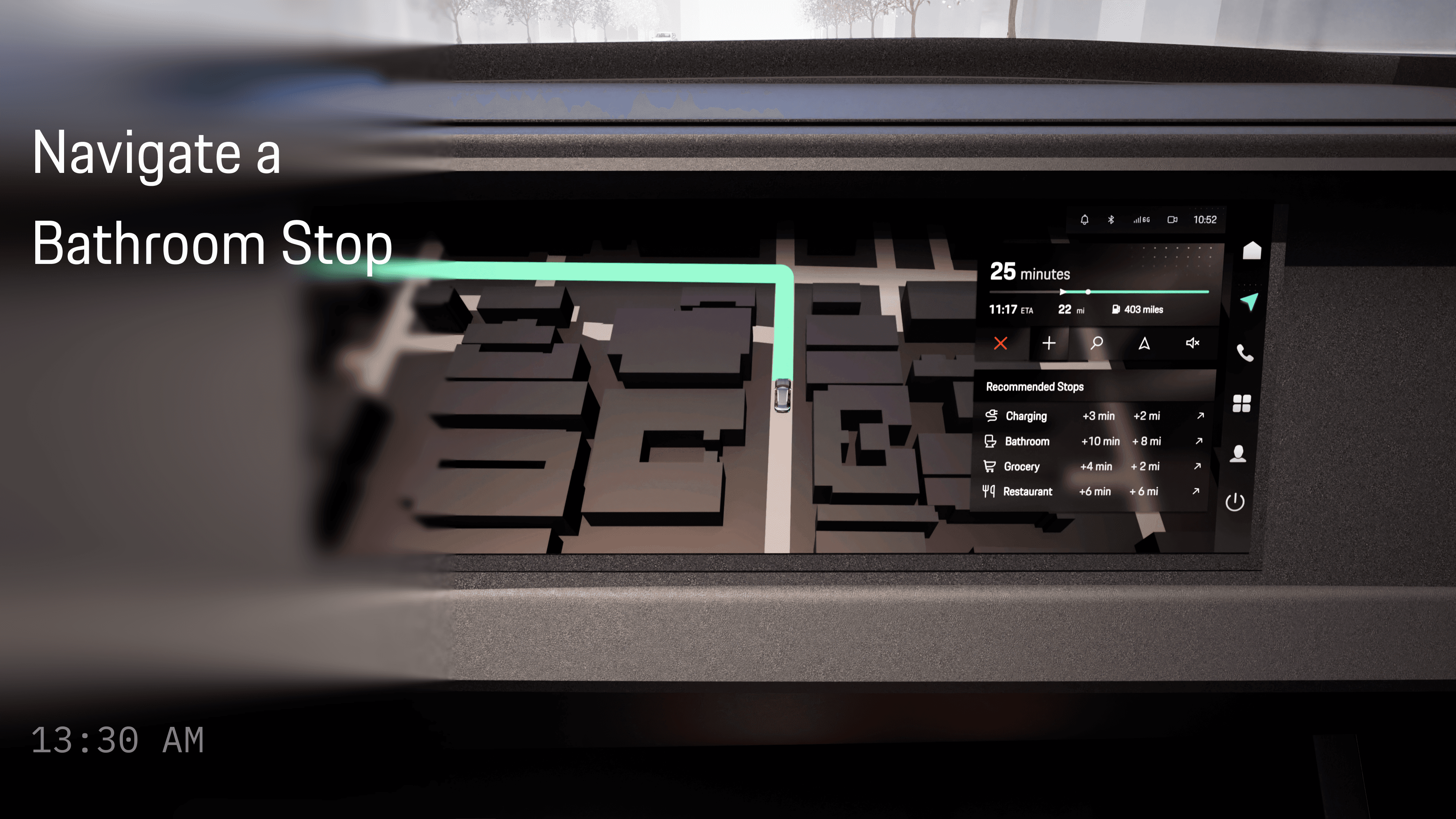
“Do you want Auto-driving to nearest Restroom?”
Beyond comfort, the AI is prompt to solve this situation, suggesting driving to the nearest restroom stop
This system bridges a key gap we found in research. By sensing and visualizing shared emotional states, it helps families manage stress on the road and lays the groundwork for more empathetic, intelligent in-cabin experiences.
Emergency Assistance
Emergency Assistance
To provide an autonomous professional safety assistance for critical moments, addressing the deep-seated family anxiety about helplessness on the road.
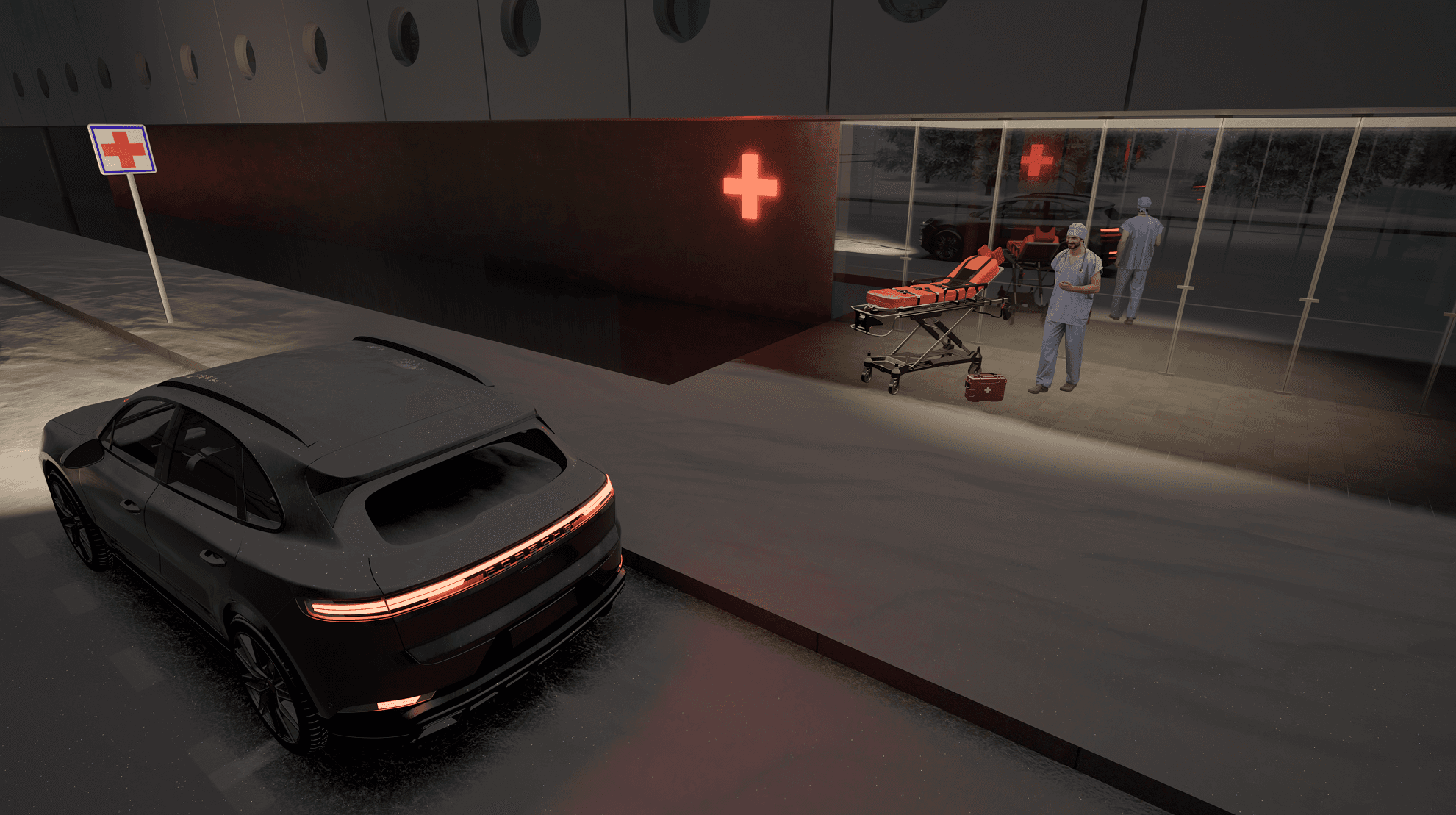
Research Insight
During the survey and the interview we notify that out of 90% response express concern about safety and it is not about of safety like collision it is about emergency circumstances.
−10% / min
Drop in survival probability for every minute of delay
25 min
Faster reperfusion with EMS pre-notification and EHR
System Insight: Interoperability & Trust
Ecosystem Integration
For the vehicle to act as a valid node in the emergency response network, its data architecture must legally handshake with Hospital EHR systems network
Data Handoff
HIPAA compliance eliminates legal barriers, allowing seamless, real-time transmission of patient vitals to EMS before they even arrive.
Medical-Grade Credibility
Adhering to these standards ensures that the data sent is treated as verified medical information
Solution
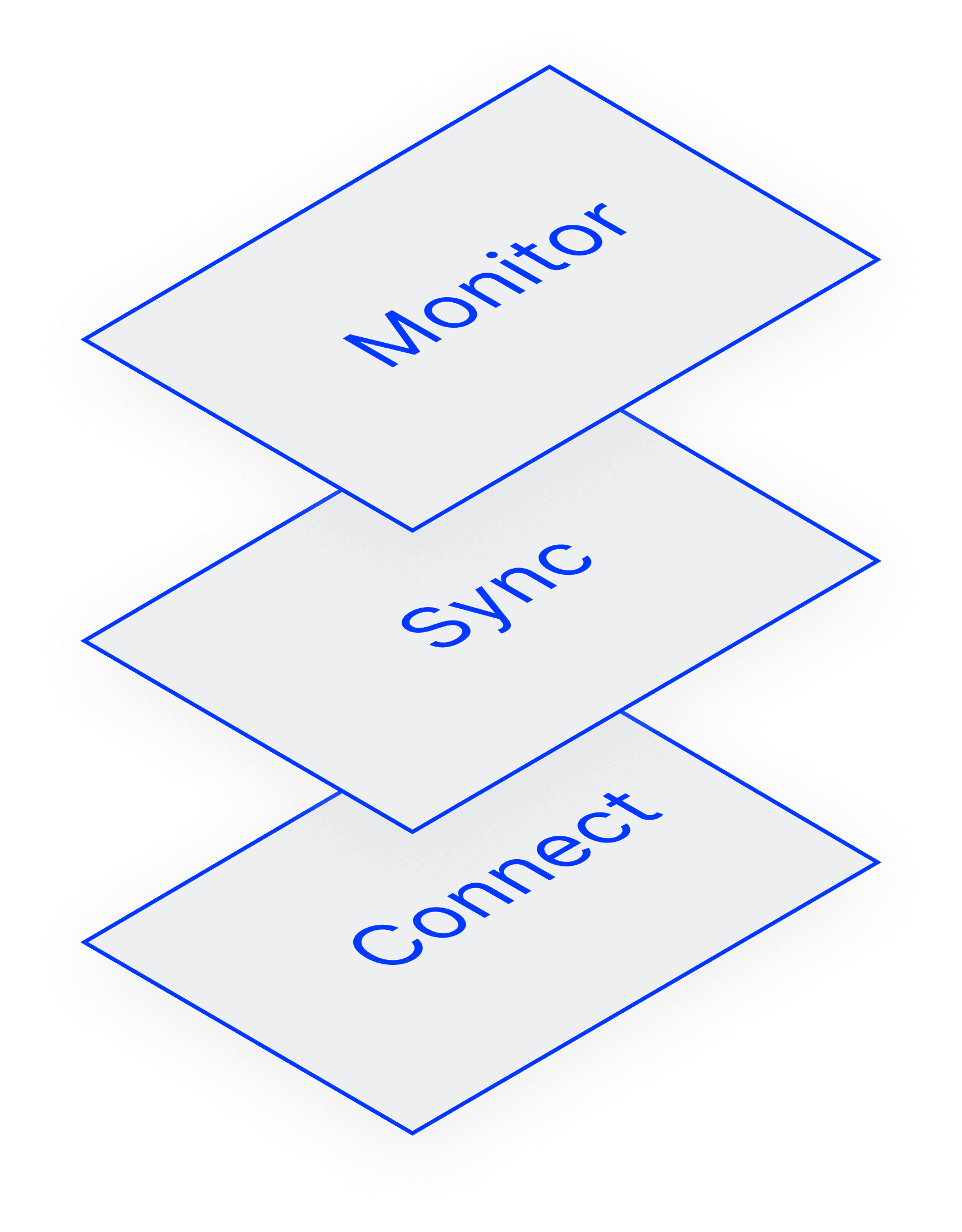
Monitor
Monitors vitals using local Edge AI to ensure raw data never leaves the car without permission.
Sync
Bridges vehicle data with EMS systems via HIPAA-compliant encrypted protocols for seamless admission.
Connect
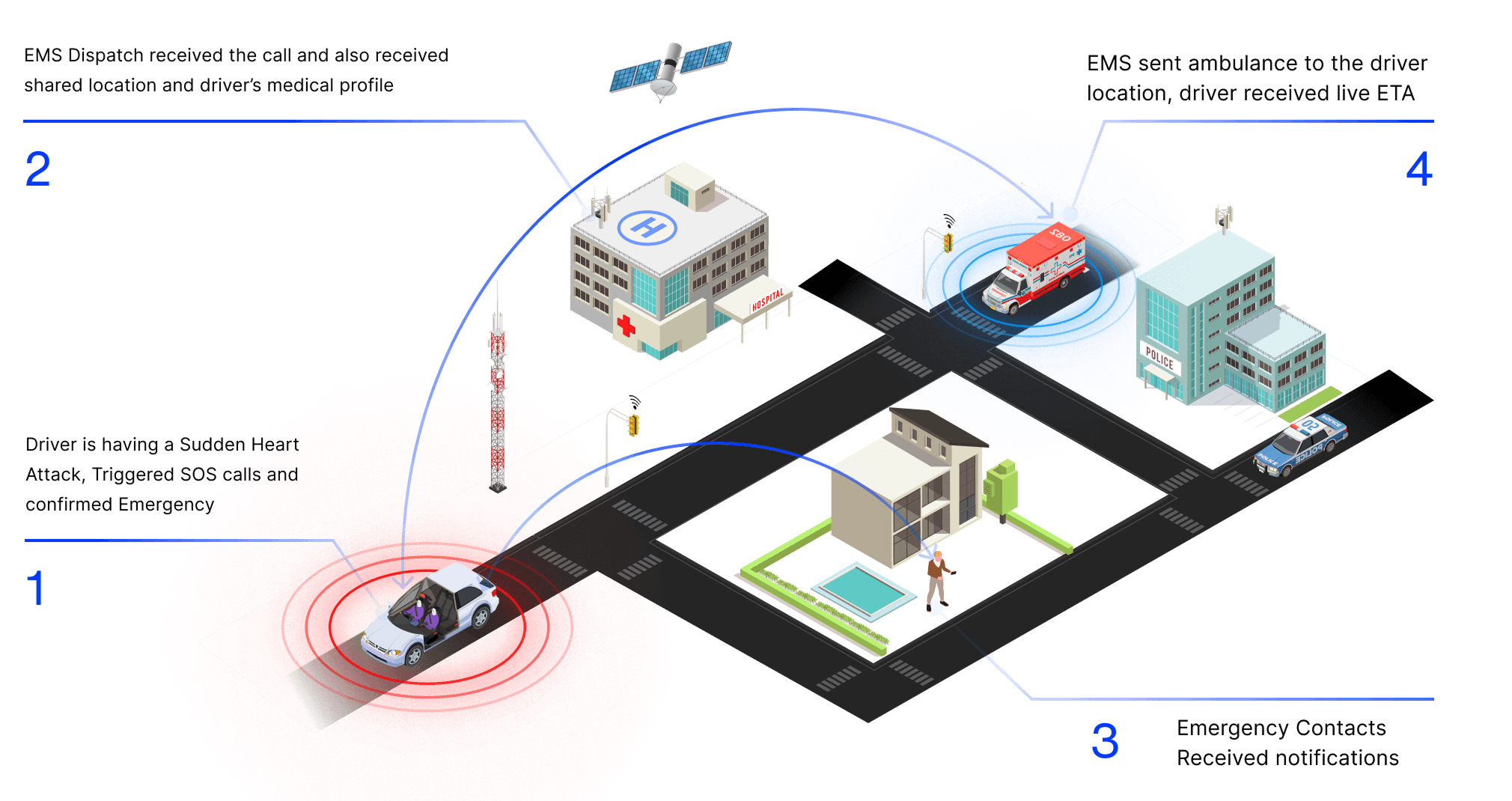
Establishes a verified medical data link with EMS, police, and emergency contacts.
User Scenario
The driver experiences sudden acute chest pain and discomfort while driving on the freeway.
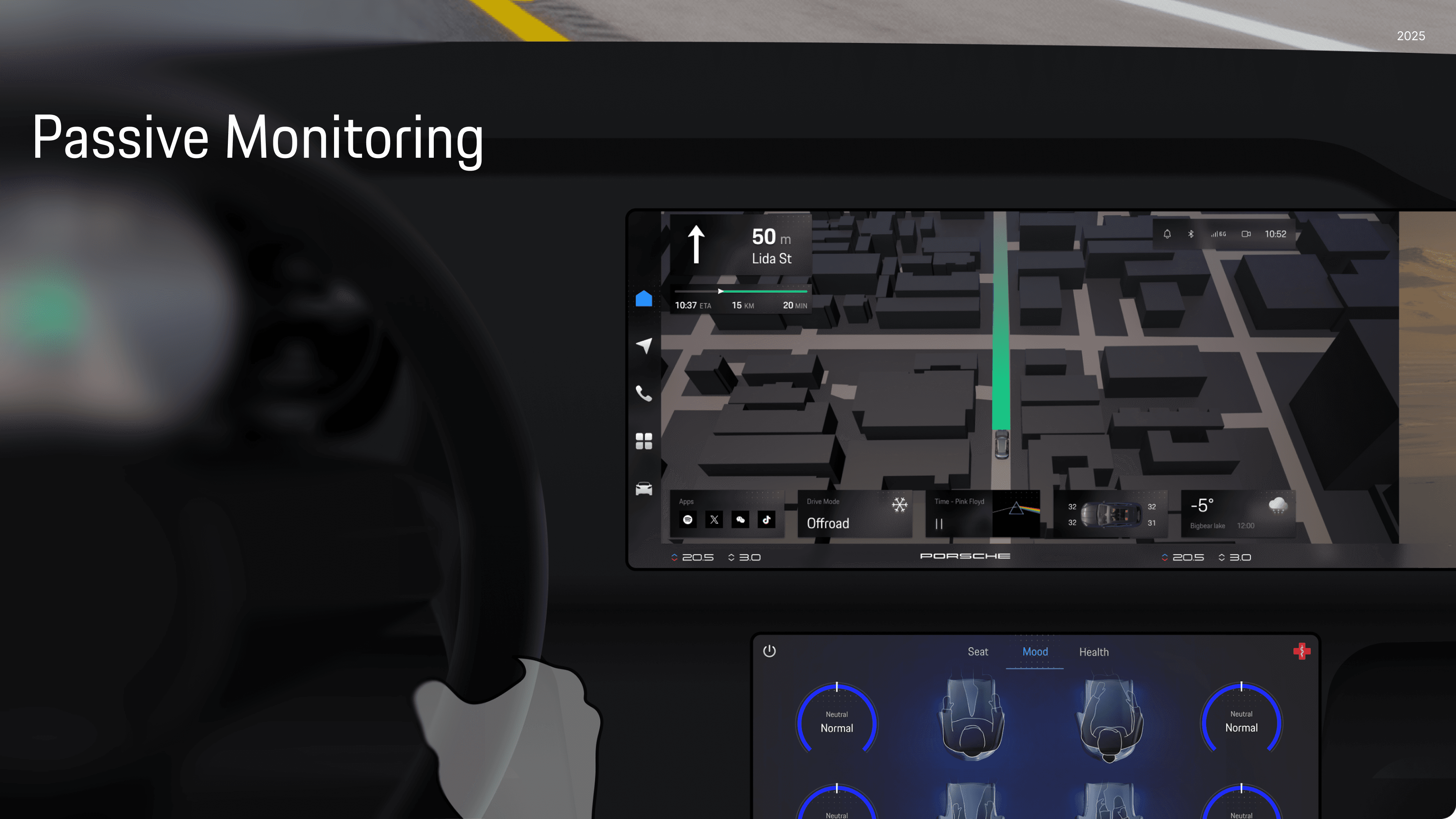
While cruising in L3 autonomy, the system passively constructs a real-time health baseline. It separates normal stress from critical anomalies without disturbing the driver’s journey.
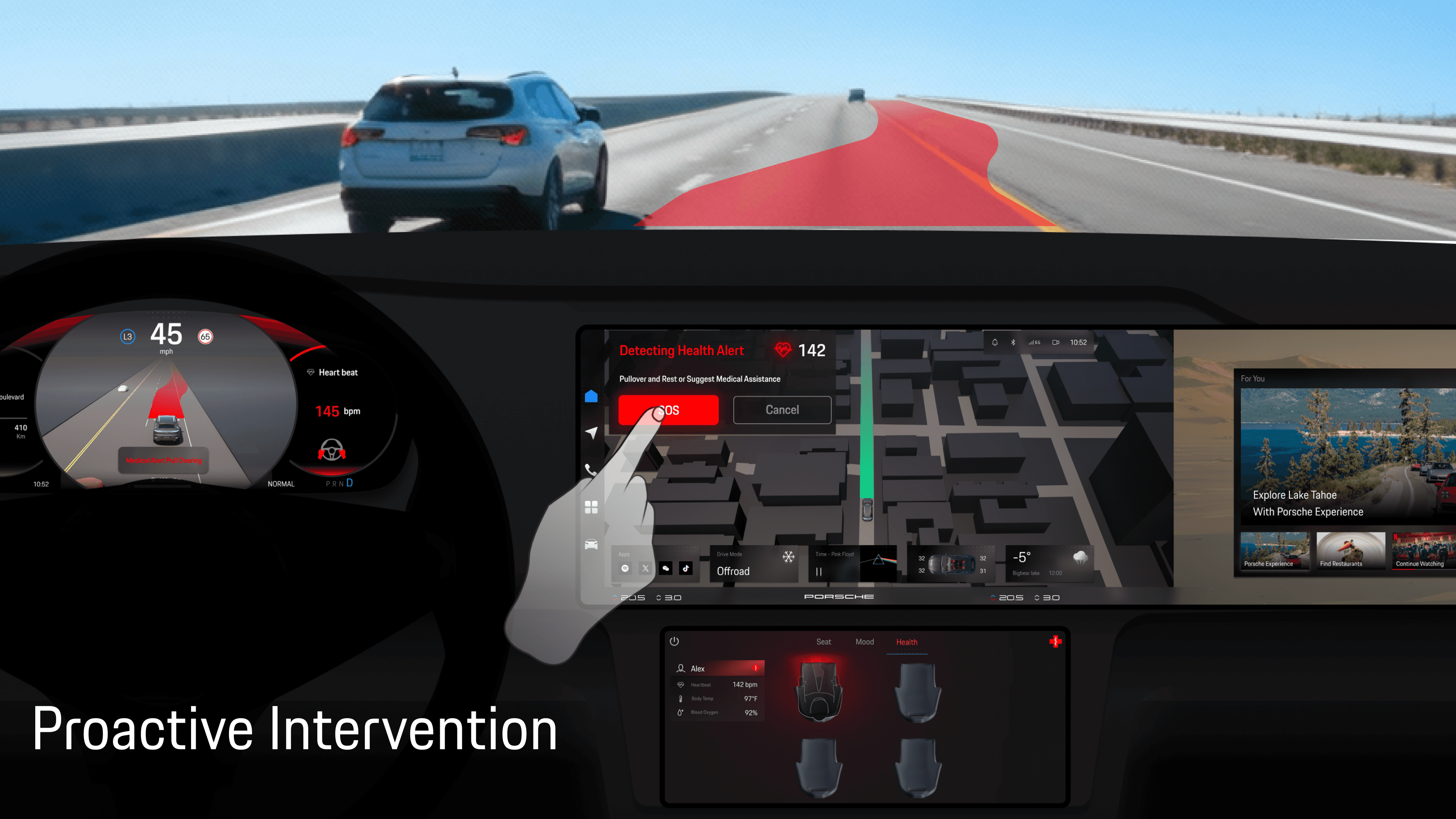
Detecting elevated heart rate and distress, the system automates the decision-making process. It gently takes control of the vehicle, initiates the SOS protocol, and guides the car to a safe shoulder stop.
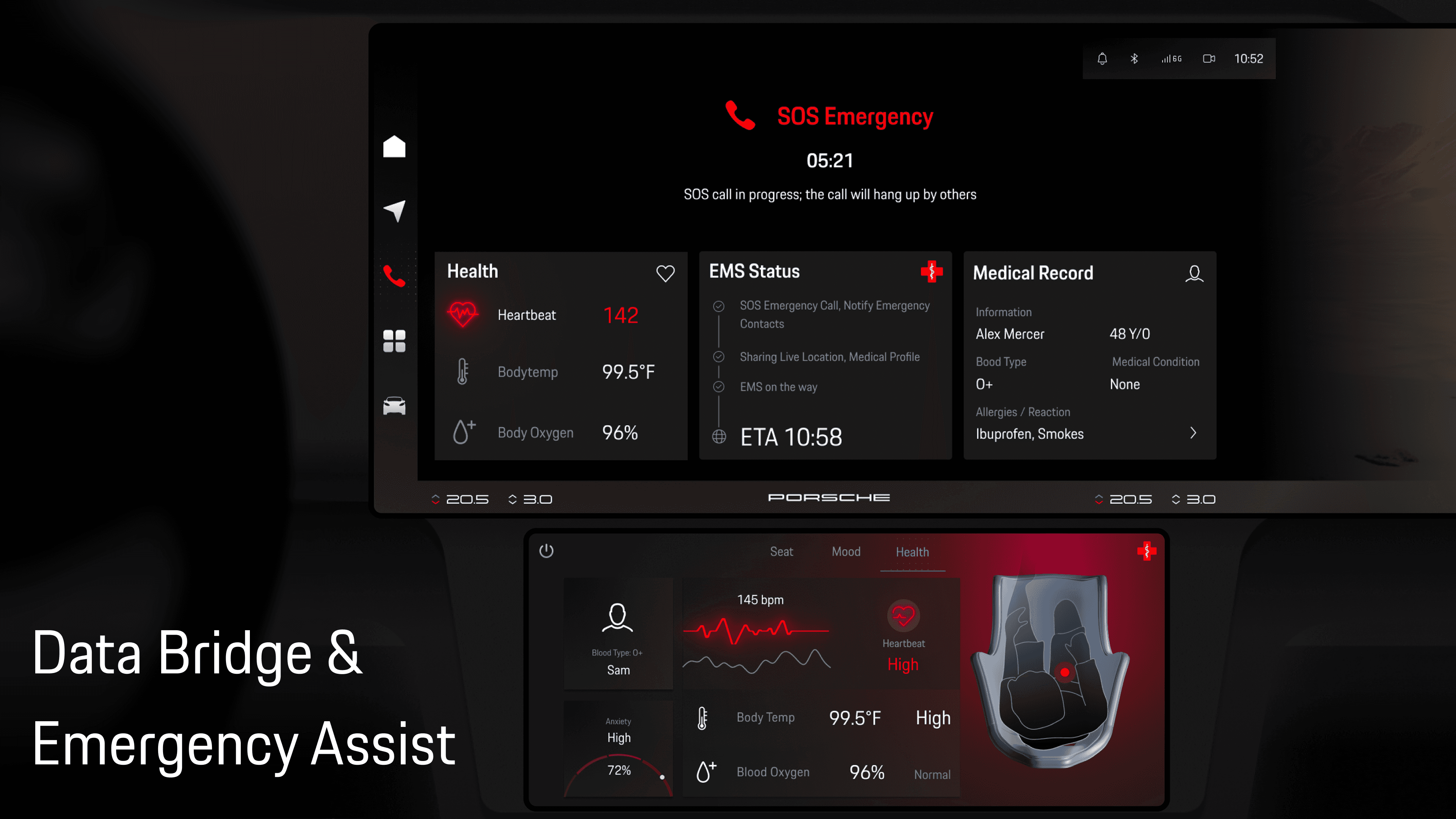
The vehicle establishes a secure V2X link to EMS, transmitting a concise “Medical Snapshot” (Vitals + Location). Inside, the UI simplifies to show only “Help is coming” and ETA, reducing the driver’s panic.
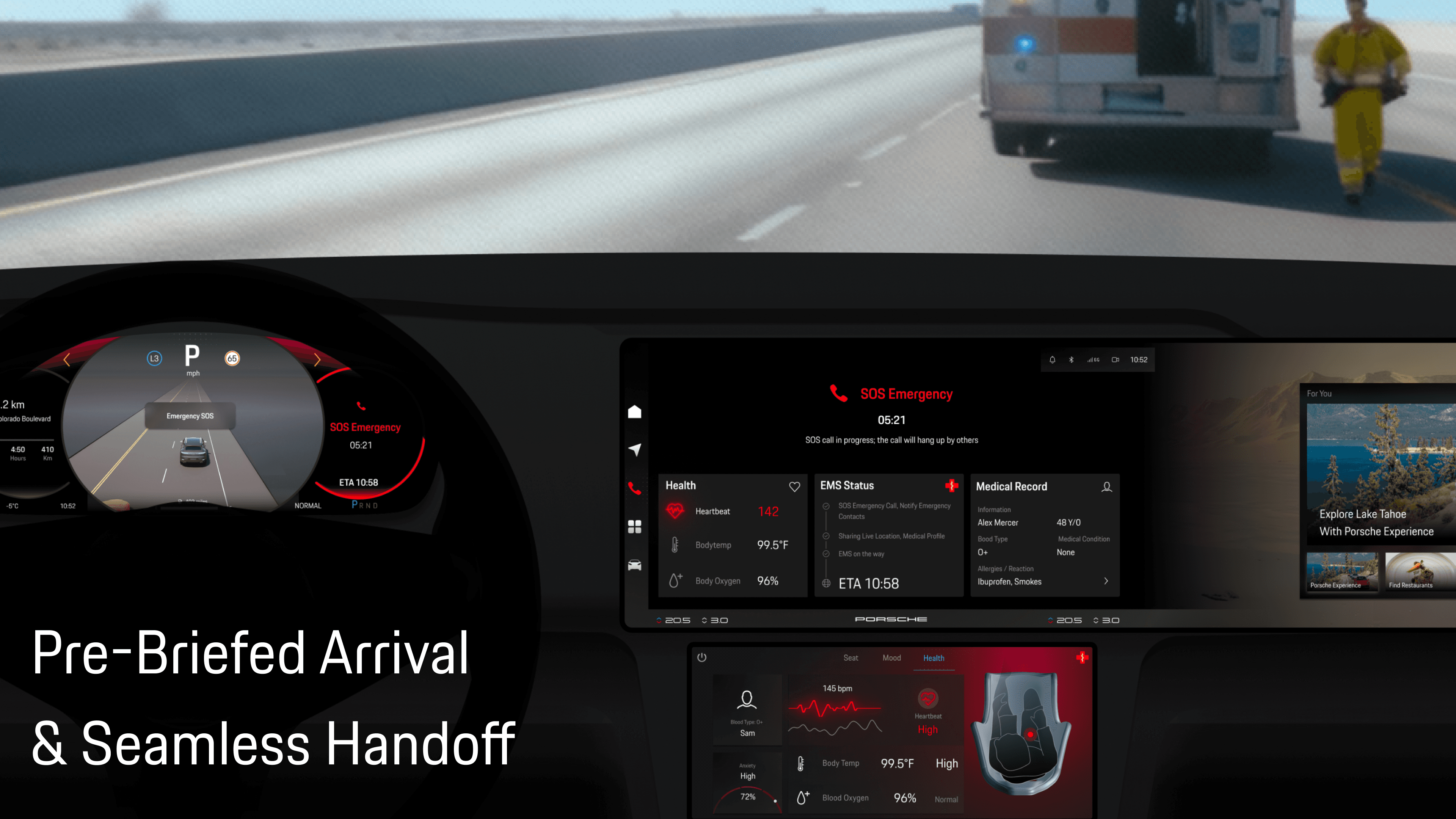
By providing pre-arrival data via C-V2X, the ambulance team is prepared for treatment immediately upon arrival, significantly closing the gap between the incident and effective medical intervention.
Intelligence Ecosystem
Intelligence Ecosystem
To provide an autonomous professional safety assistance for critical moments, addressing the deep-seated family anxiety about helplessness on the road.

Solution
During the survey and the interview we notify that out of 90% response express concern about safety and it is not about of safety like collision it is about emergency circumstances.
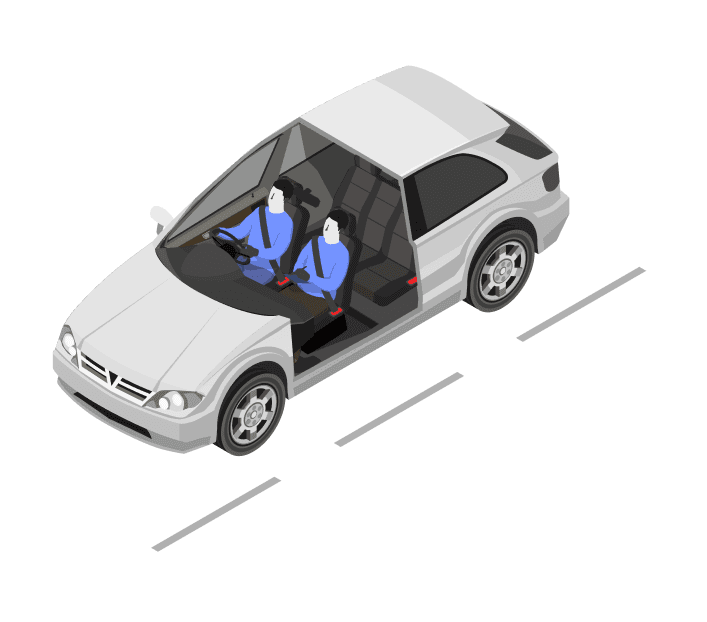
Multi-model Sensing
Car Status
DMS/OMS Camera
Physiological Sensors

Intelligent Cockpit SOC
Cockpit Control
Intention Analyze
Cloud LLM
Home API
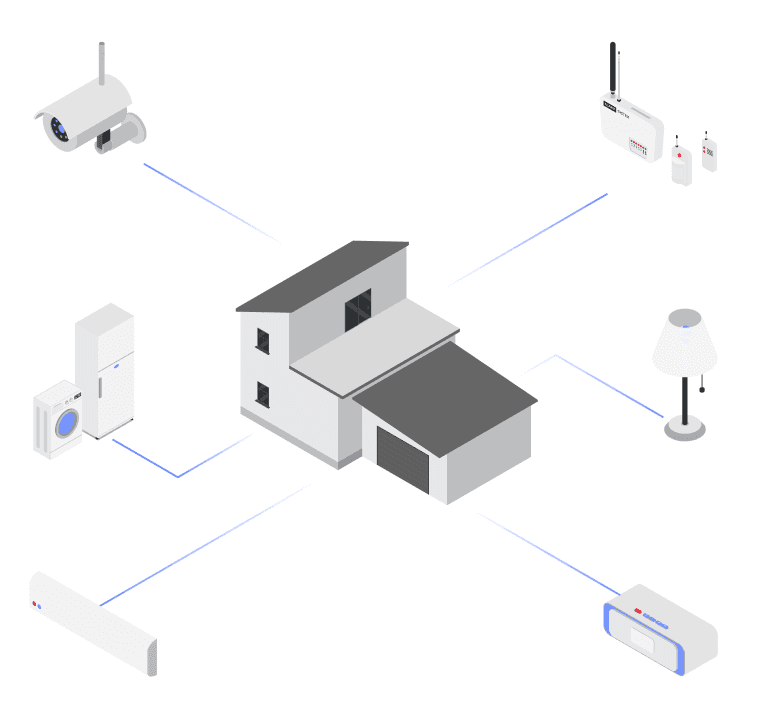
Smart Home Appliance
Auto arm/disarm based on car geofence
Suggest arrival lighting scene based on ETA
Remote control via car interface
View live CCTV footage from the Car
…
Scenario
Proactive Suggestion
Multi-modal sensing detects Anna is drowsy in the rear seat.
Suggested actions: adjust Anna’s room A/C, dim hallway lights, Fills bathtub.
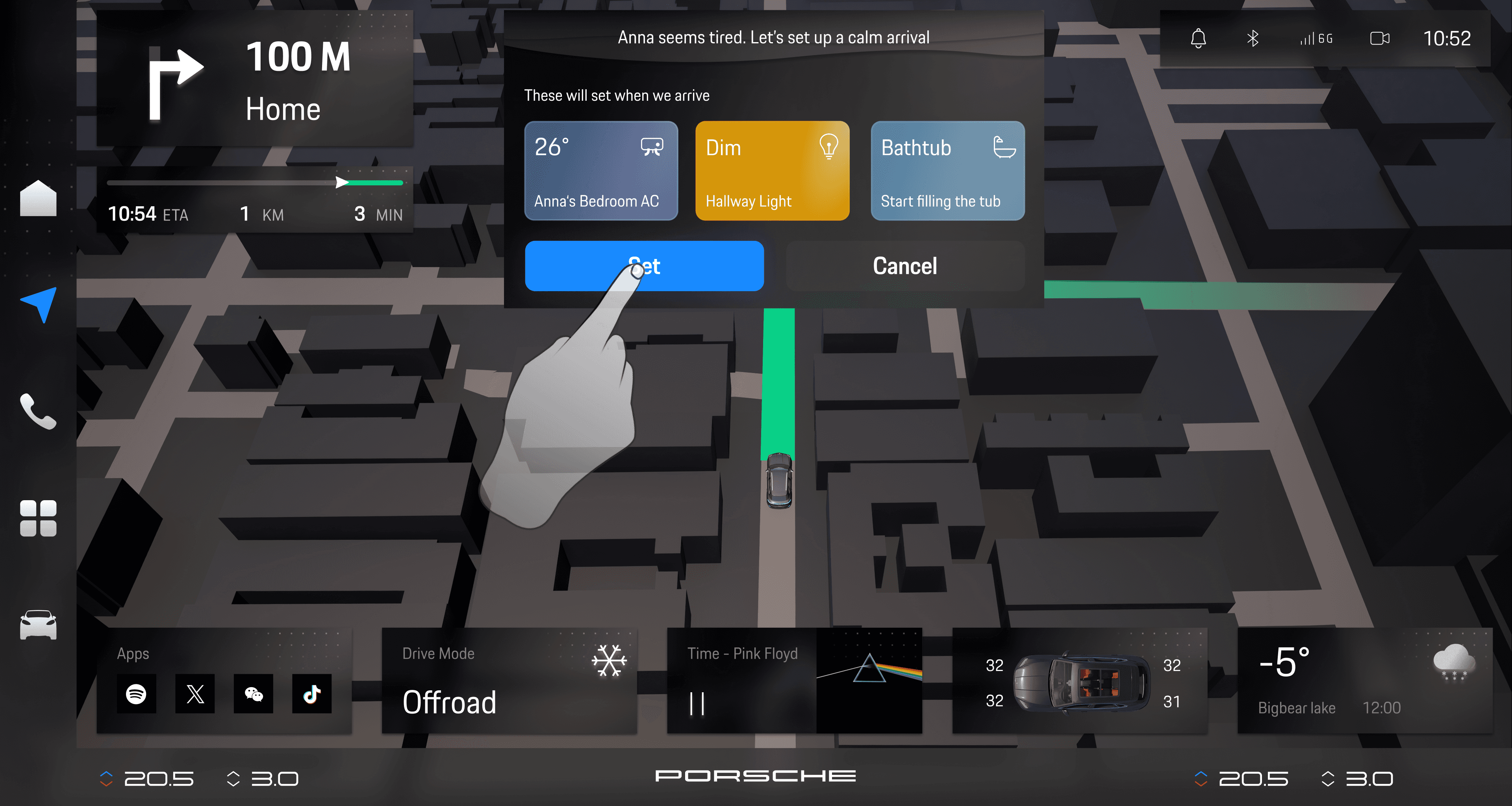
“Anna seems tired, Let’s setup a calm arrival”
Confirmation & Overview
After user taps Set, “Arrival Mode” is activated in the Home dashboard.
Home dashboard displays full smart status for transparency and control.
“Arrival mode set, Ready for a calm arrival”
How do we get here?
Design Process
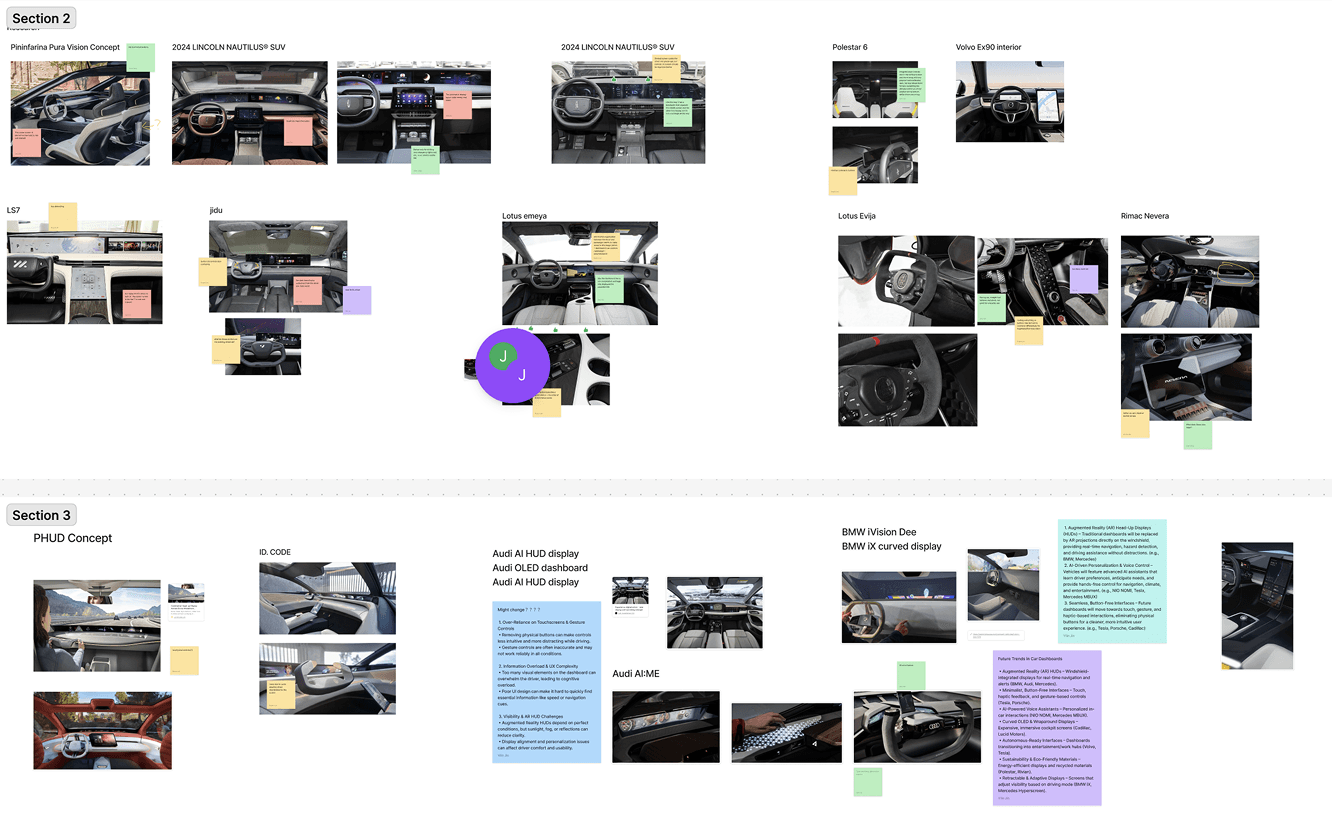
Porsche Dealer Onsite Research
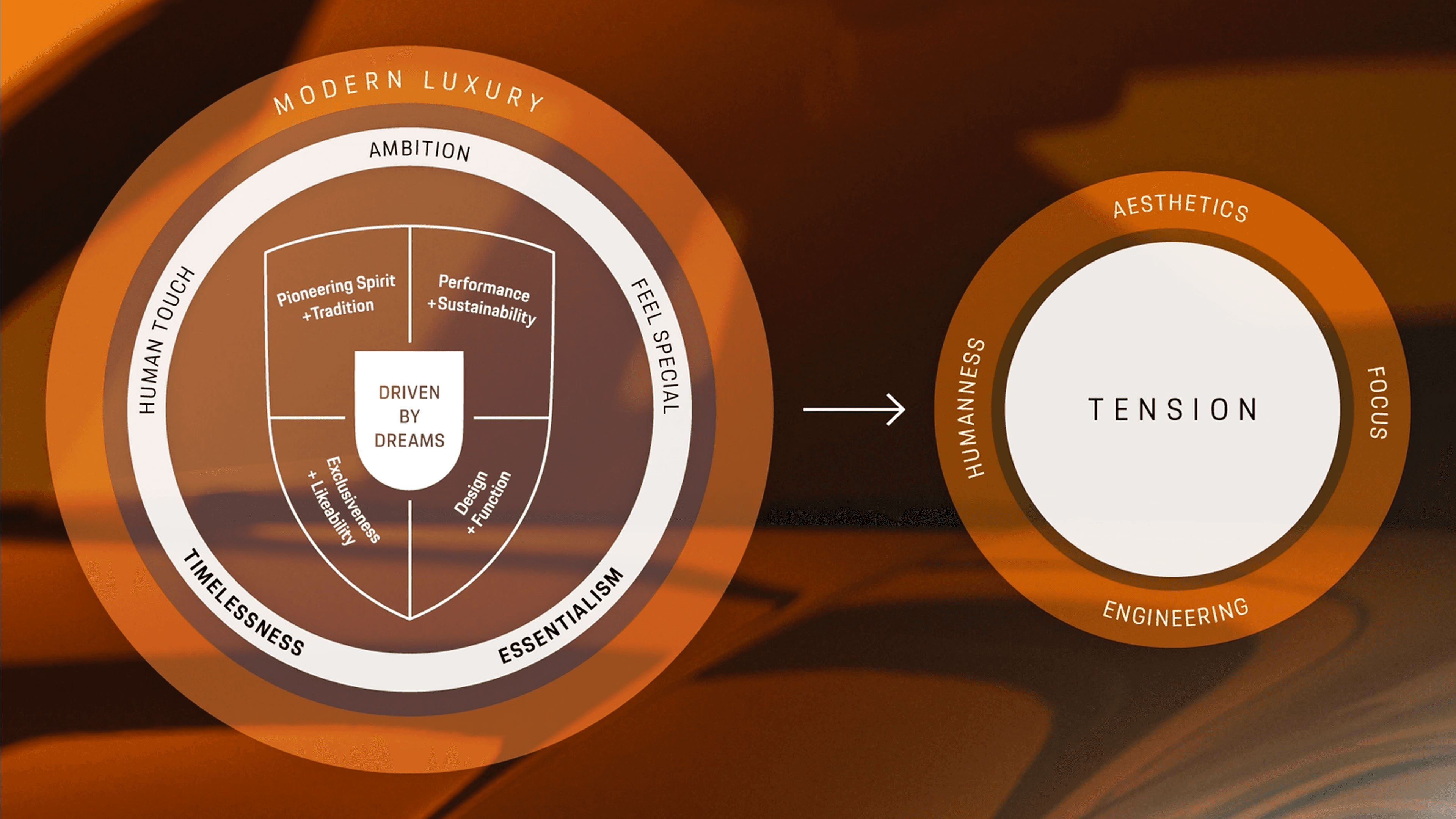
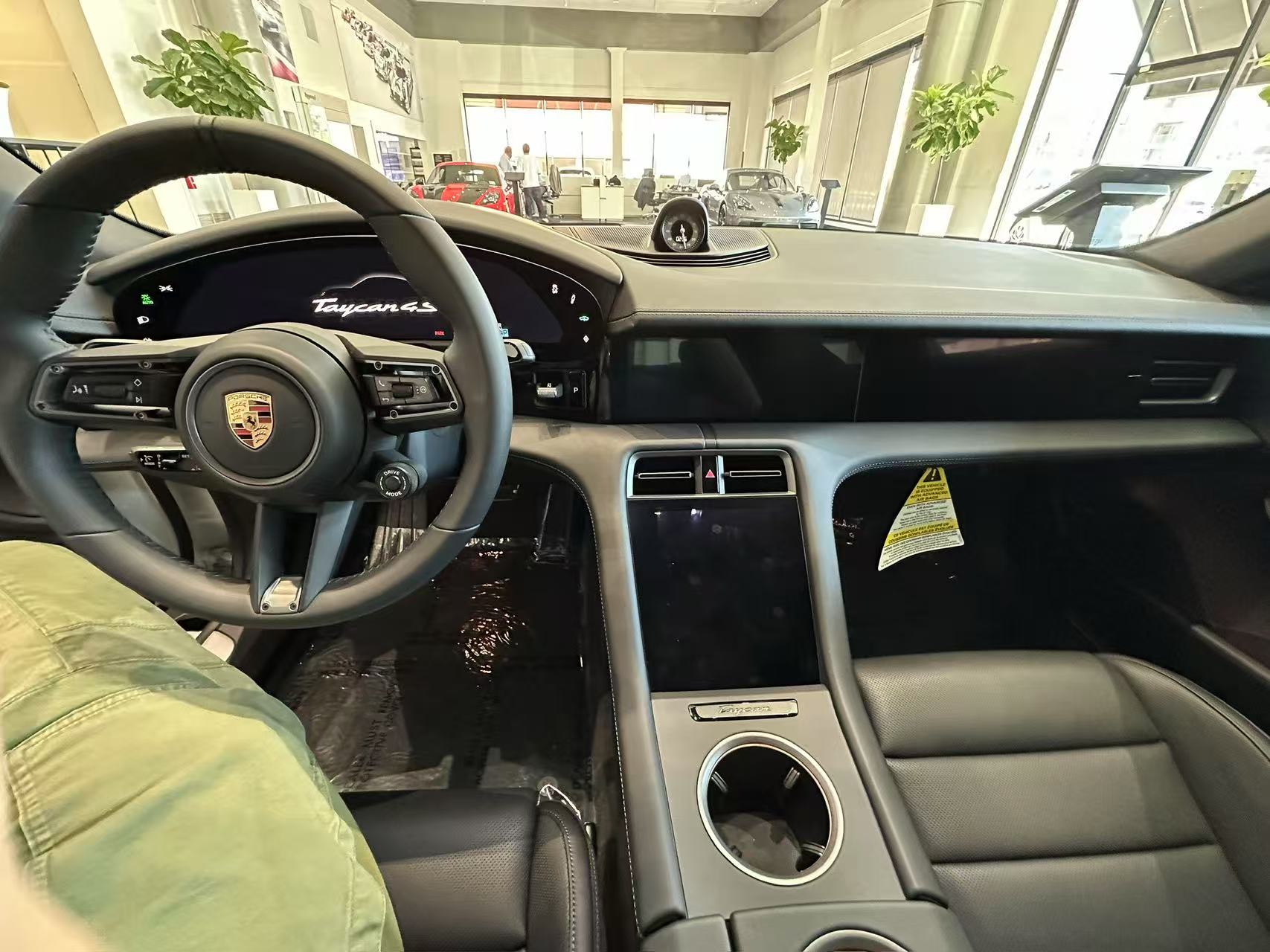
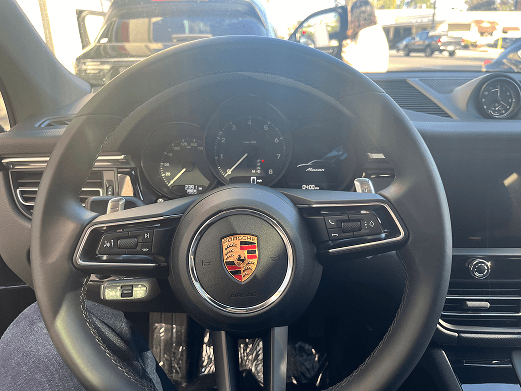
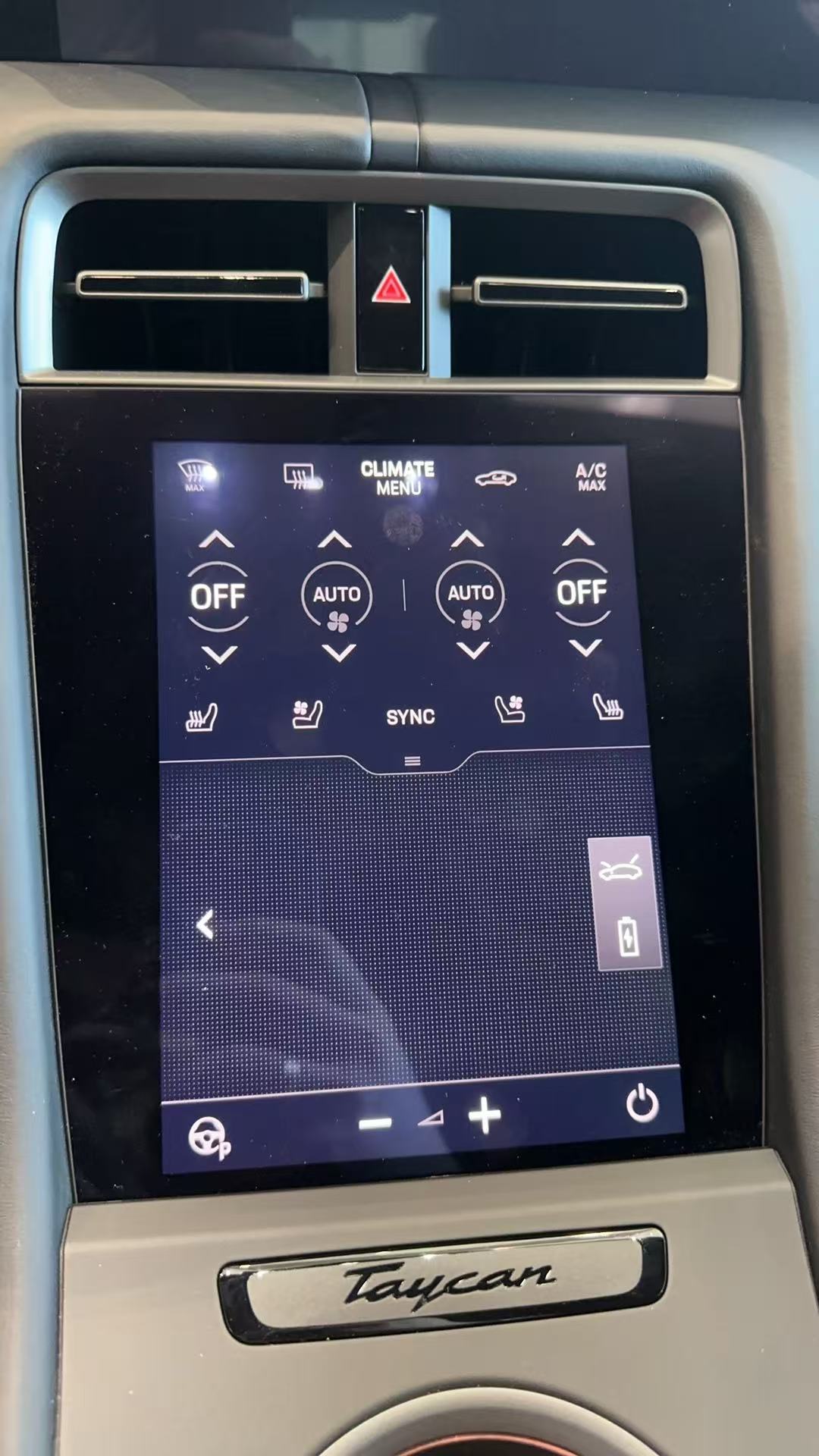
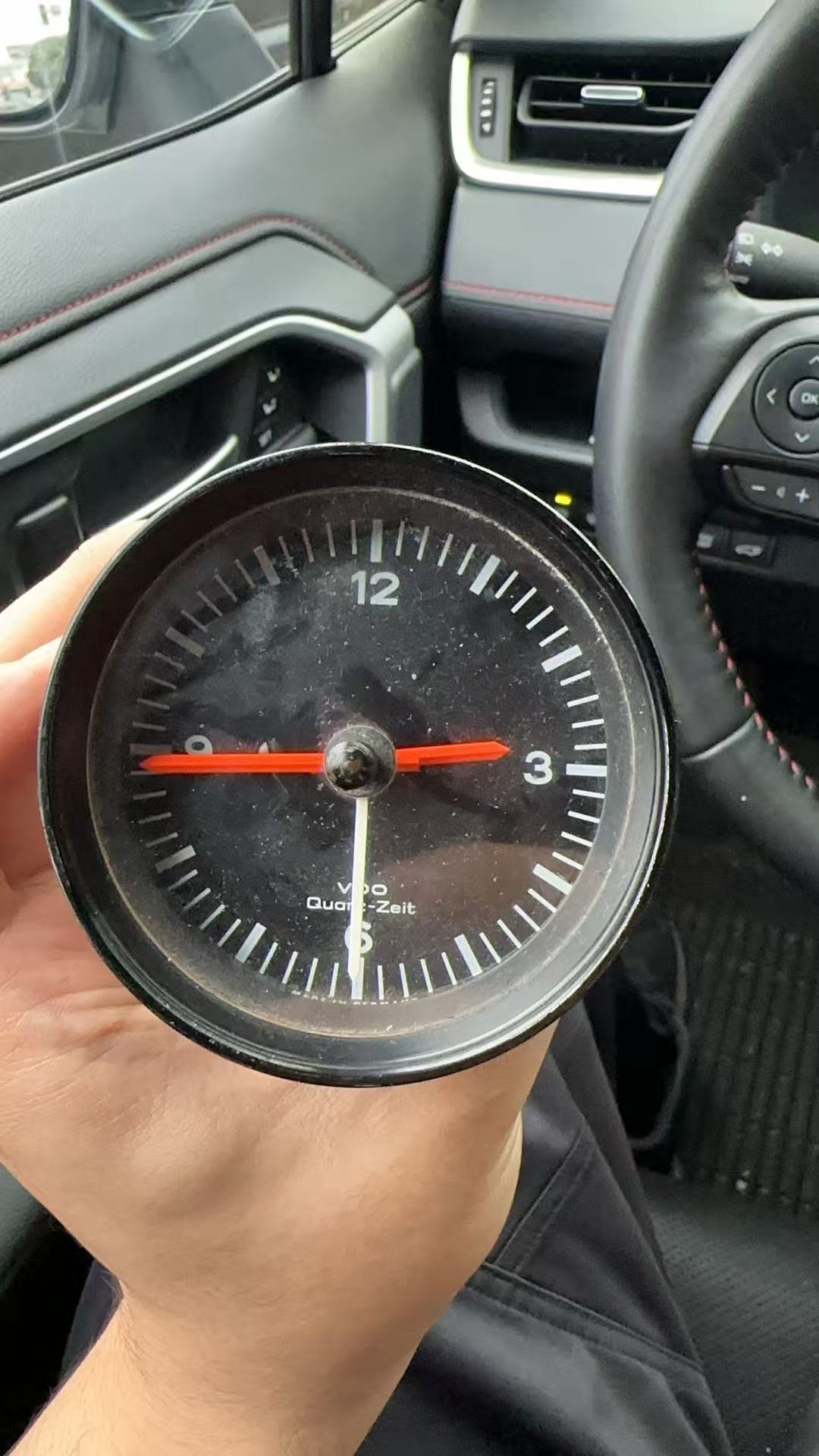
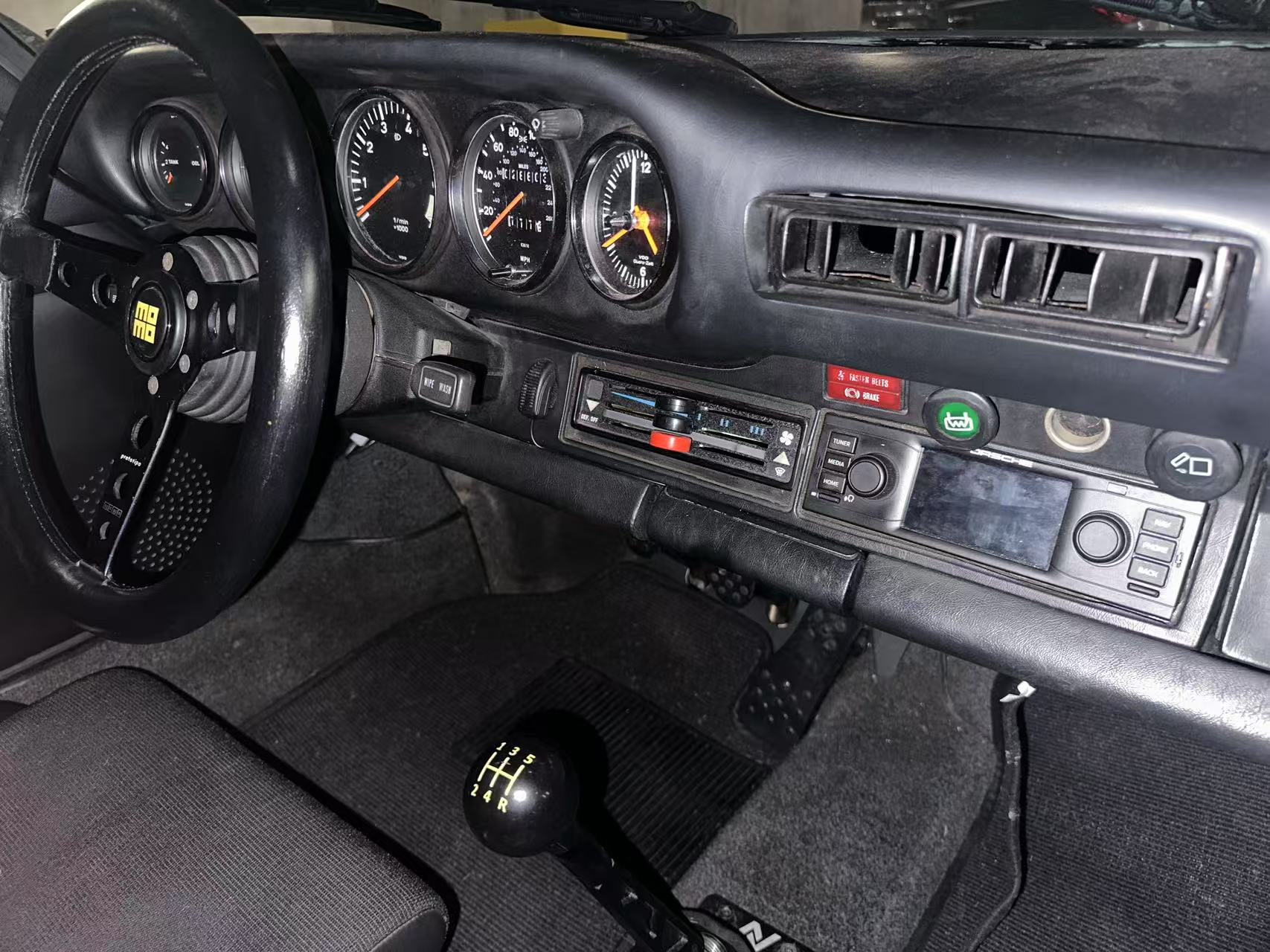
We conducted onsite research at Porsche dealerships to immerse ourselves in the brand’s physical environment. By studying the transition from classic analog dials to modern digital displays, we gained crucial inspiration on how to preserve Porsche’s mechanical soul within a digital future.
Ideation Brainstorm
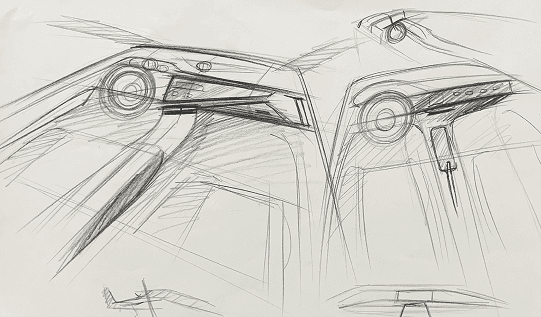
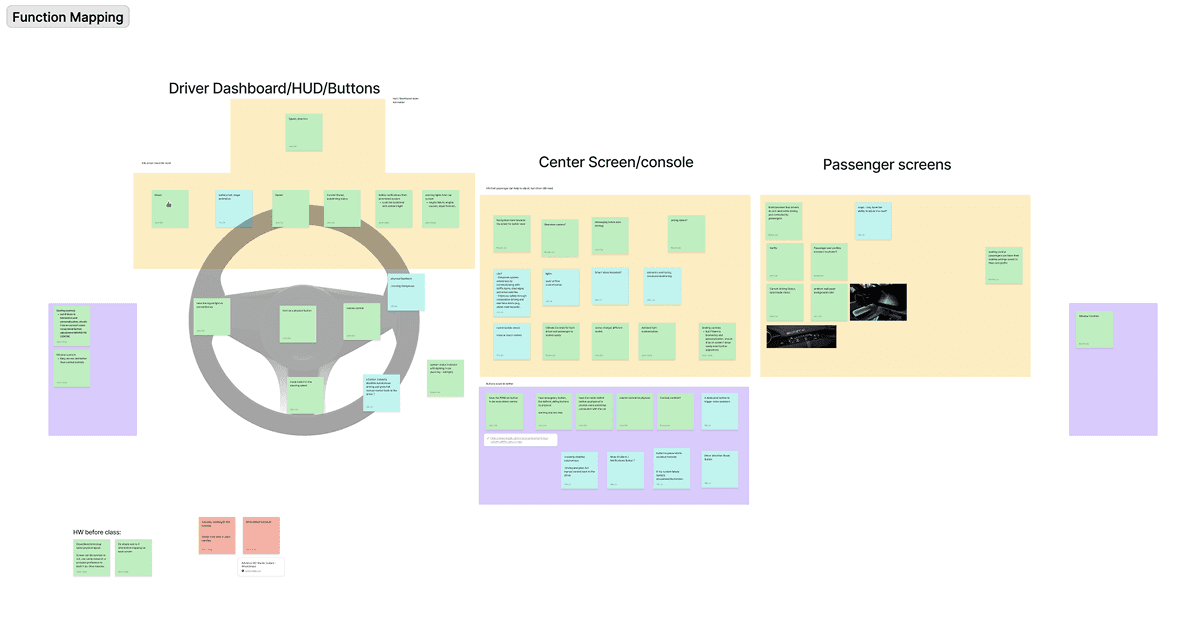
We first conduct rapid sketching defined the cockpit architecture and primary interaction zones—rooted in Porsche brand heritage and future-trend. Early studio critiques sharpened and aligned the UX hypothesis.

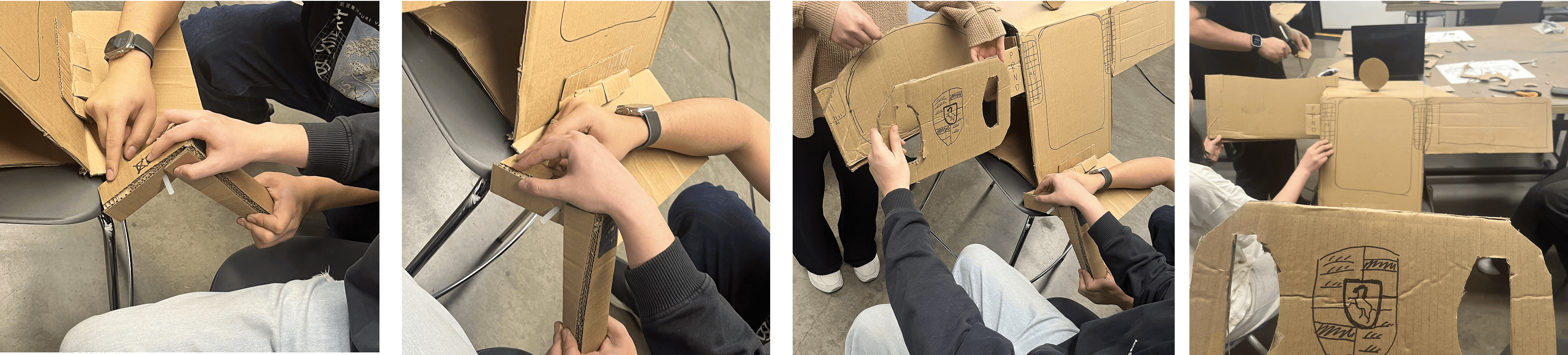
Interactive Prototype
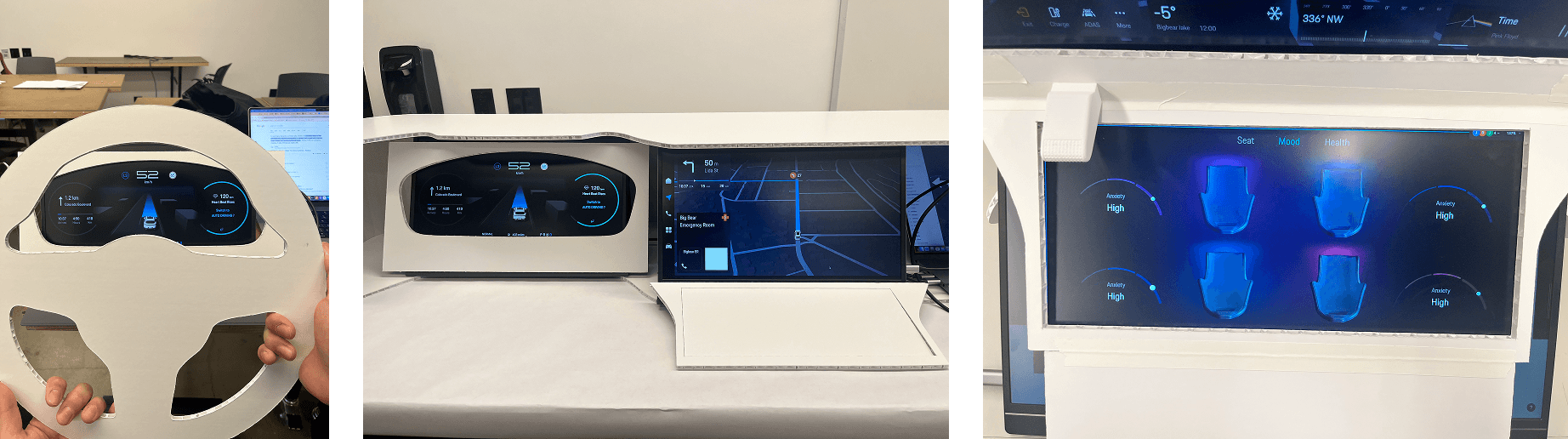
We initiated the process with full-scale cardboard prototyping to rapidly explore different design schemes. This allowed us to physically validate the cockpit layout and spatial architecture before digital modeling.
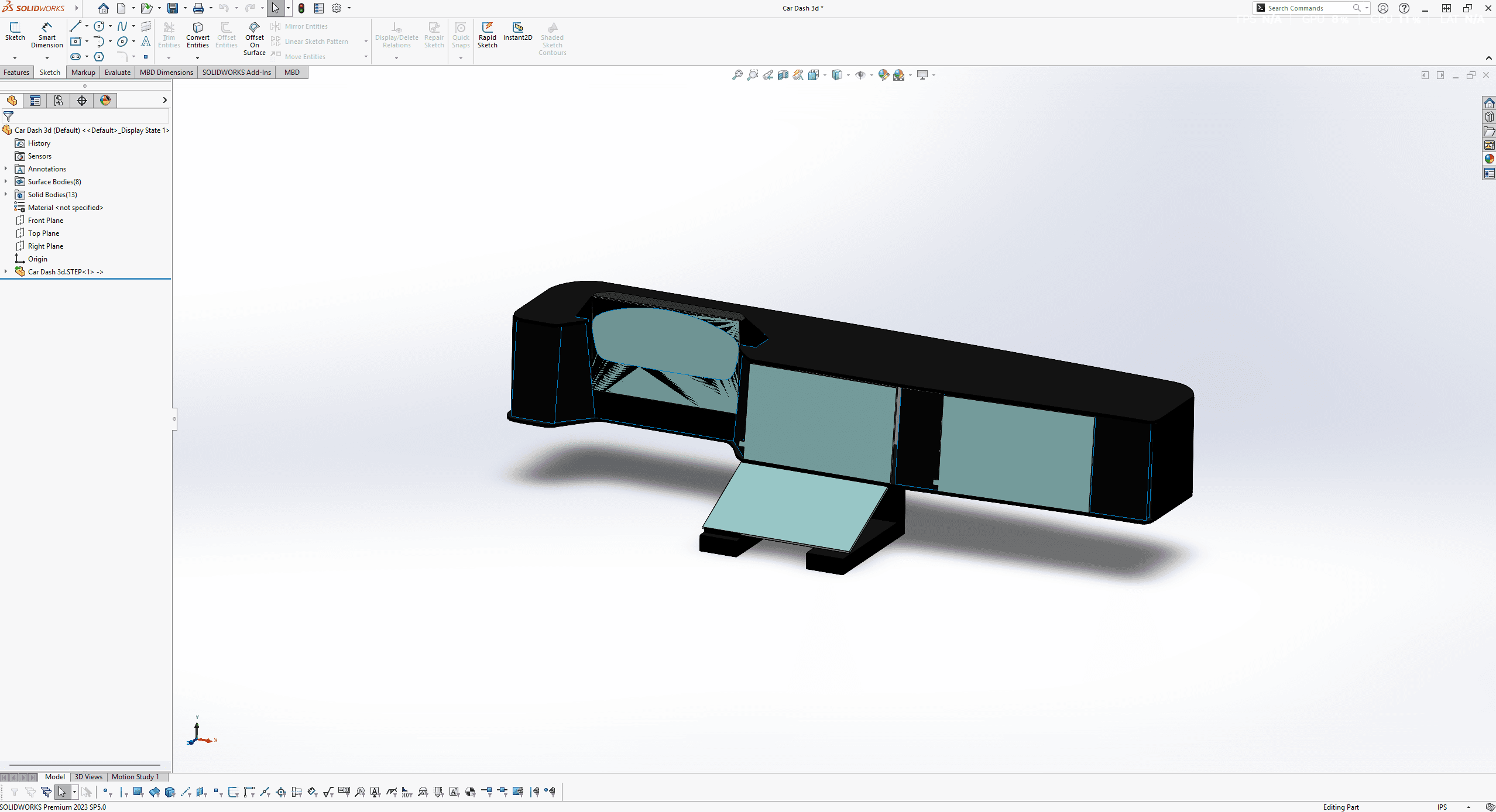
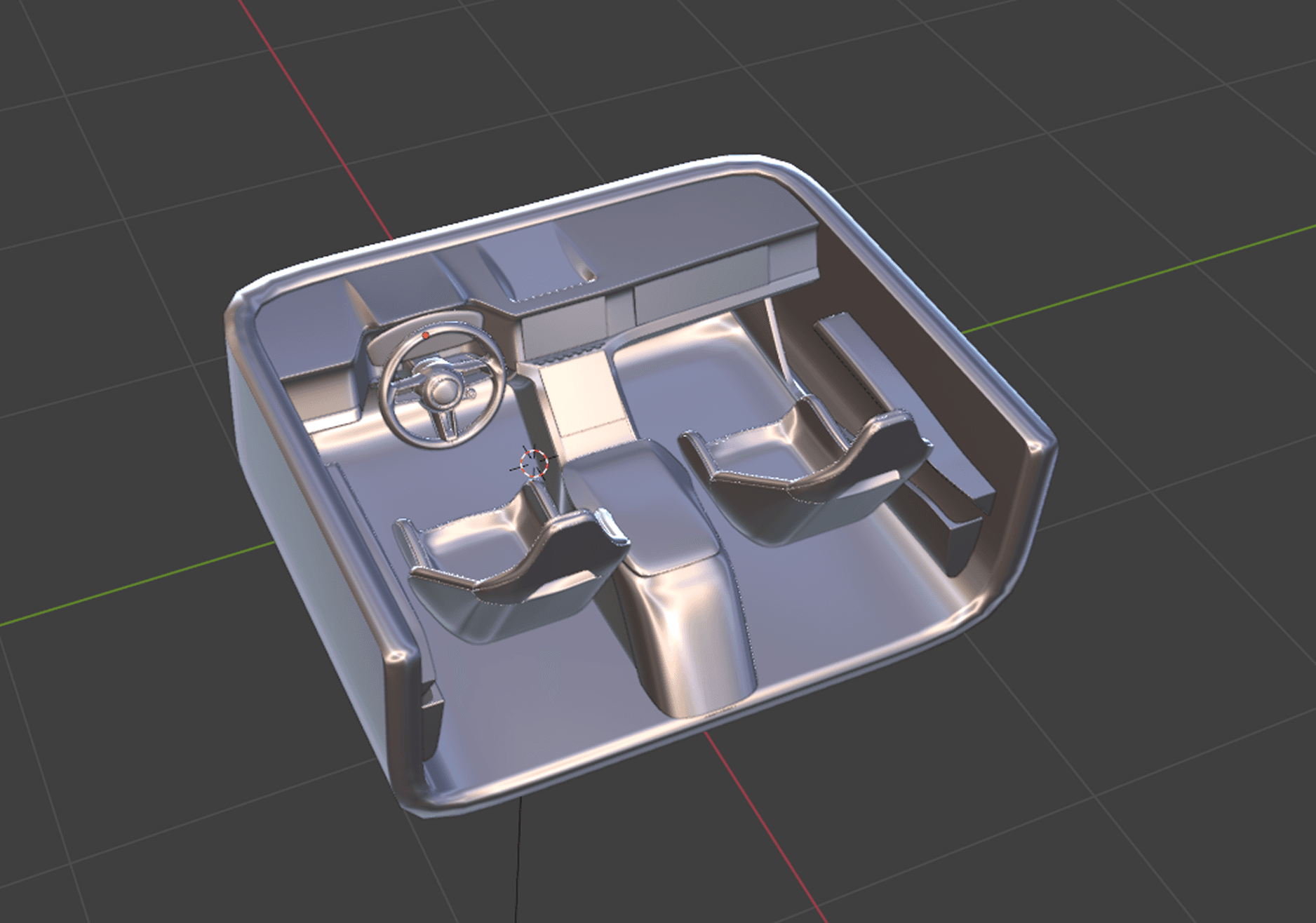
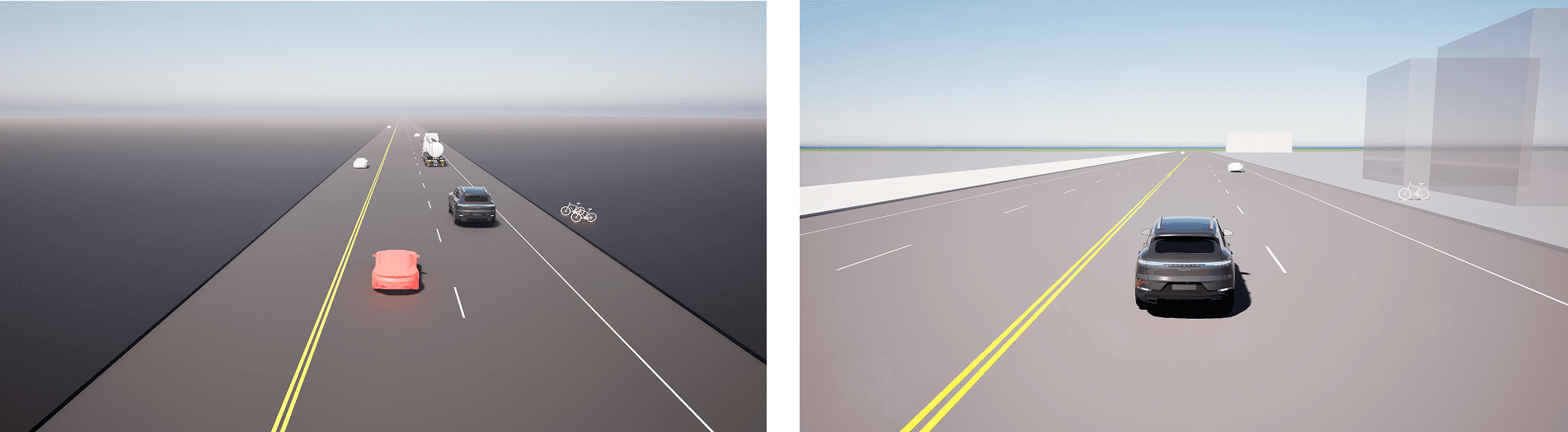
I constructed a 3D digital twin to visualize the cockpit architecture and validate the spatial layout of digital interfaces within the cockpit
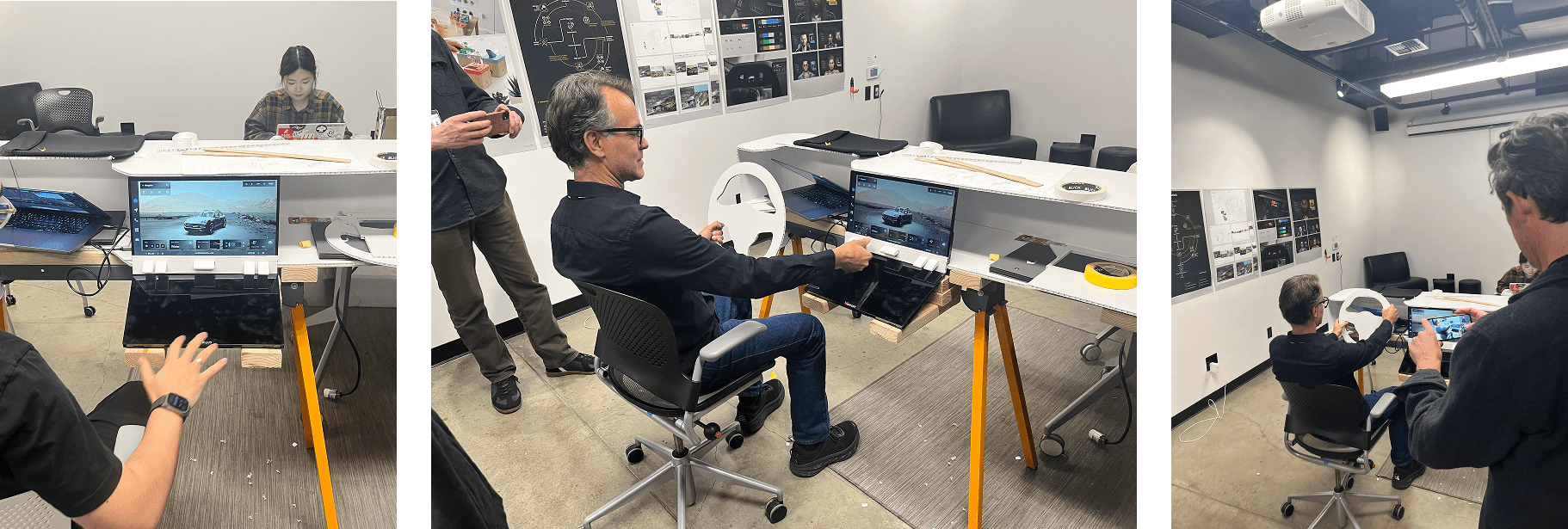
Utilizing low-fidelity physical mockups with interactive screens, we conducted rapid usability testing to validate HMI logic and streamline core interaction flows.
We built a 1:1 scale physical buck to conduct comprehensive human factors research, validating ergonomic reach zones, viewing angles, and overall physical comfort.
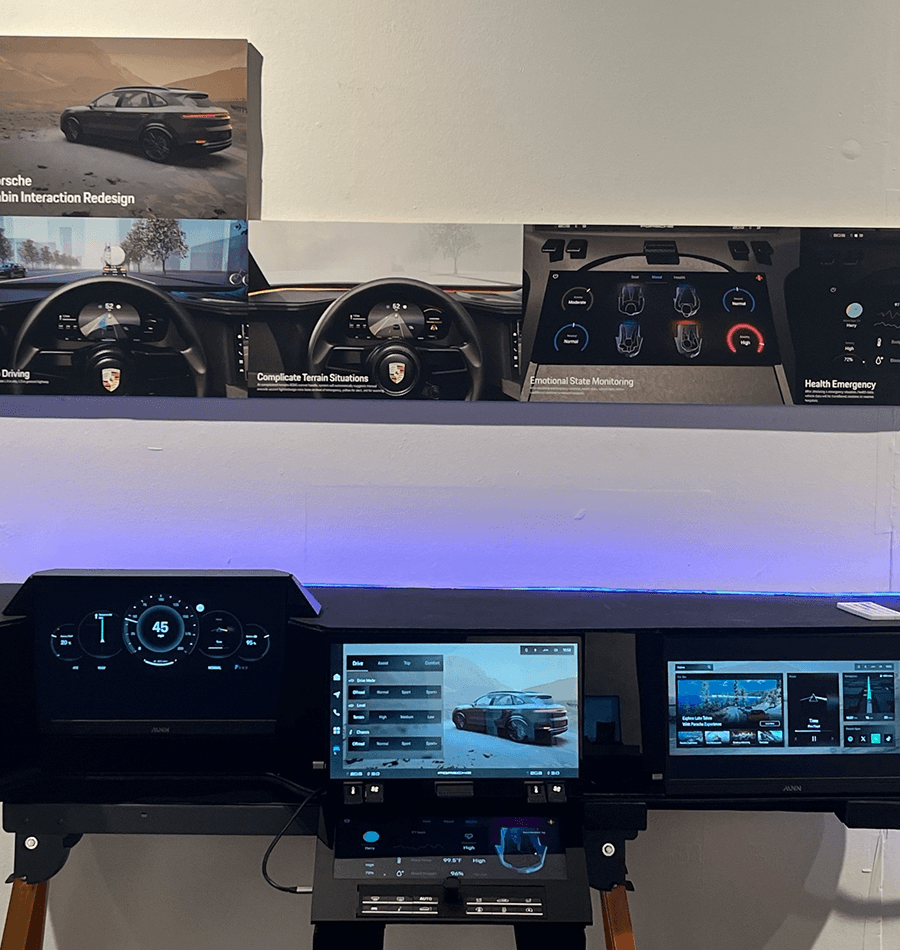
Final Prototype
Cross-Screen Interaction
High-Fidelity HMI Prototype
Immersive Ambient Synchronization
HMI Visual Design
I led to design and validated the visual hierarchy in abstract 3D environments to ensure the final design enhances situational awareness by prioritizing critical road information without distraction.

Final Design
Design System
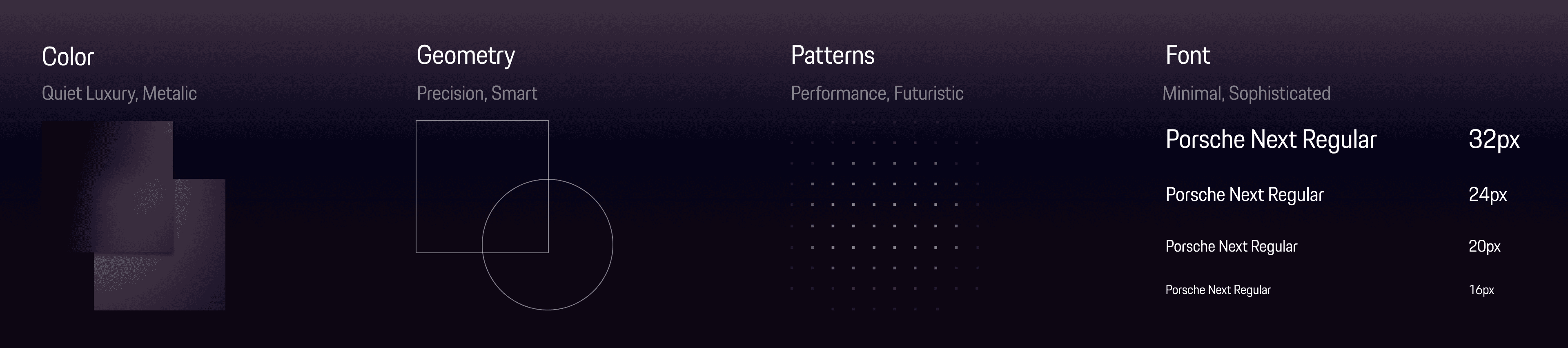
The new HMI system draws from Porsche’s visual DNA, merging quiet luxury, modern precision, and racing innovation into a consistent, intelligent interaction language.

Quiet Luxury & Heritage

Modern & Precision
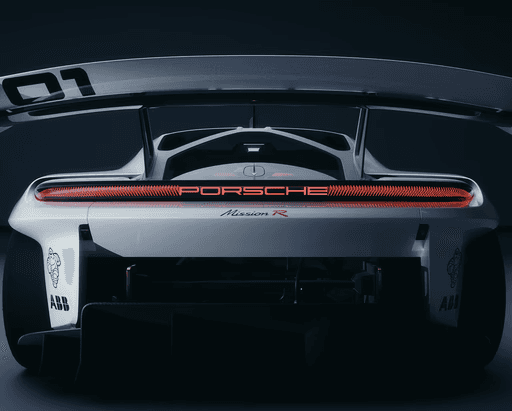
Performance & Innovation
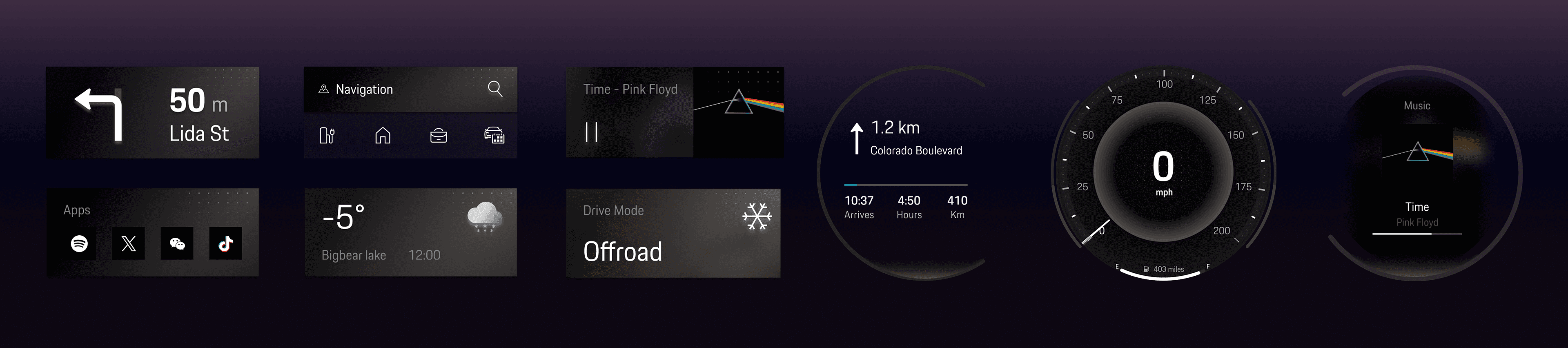
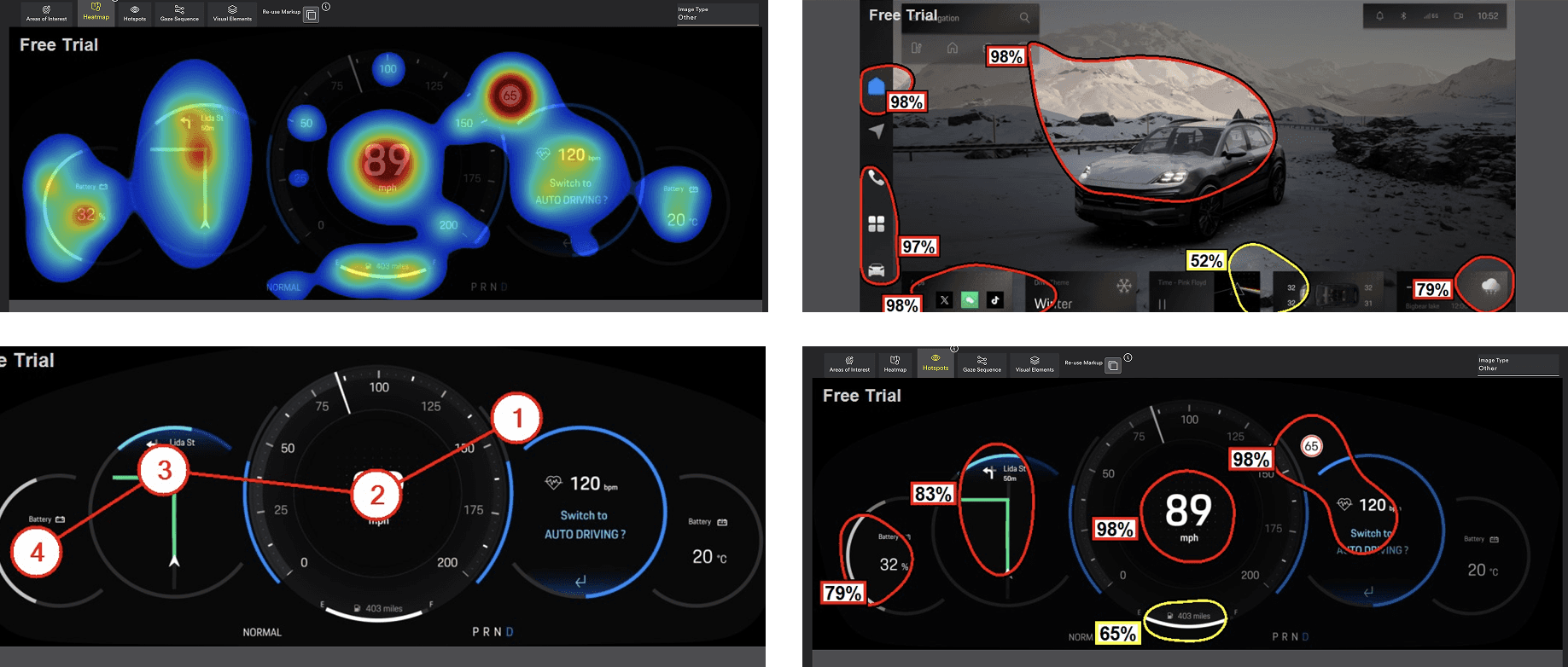
Glanceability Test
We utilized eye-tracking heatmaps and gaze analysis to rigorously validate the design system’s glanceability, ensuring that critical driving data is perceived instantly with minimal cognitive load
Final Design
3D Transition
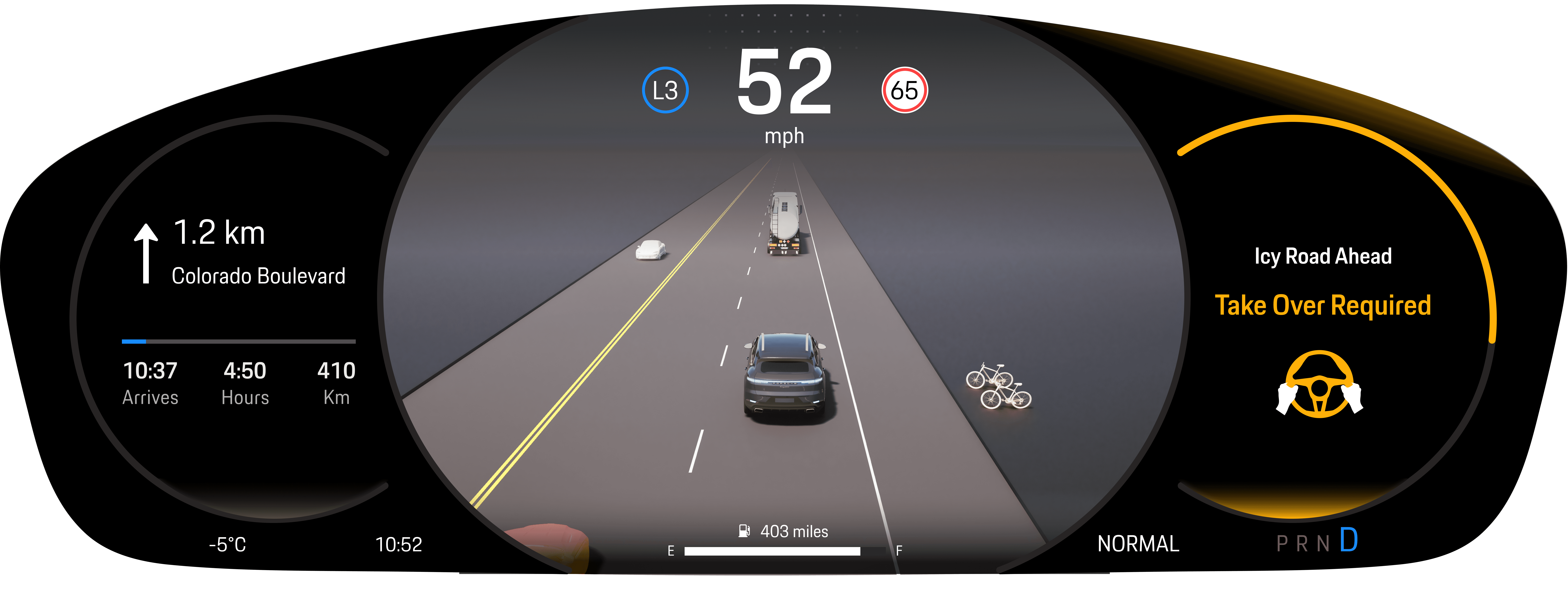
Suggest Manual Takeover
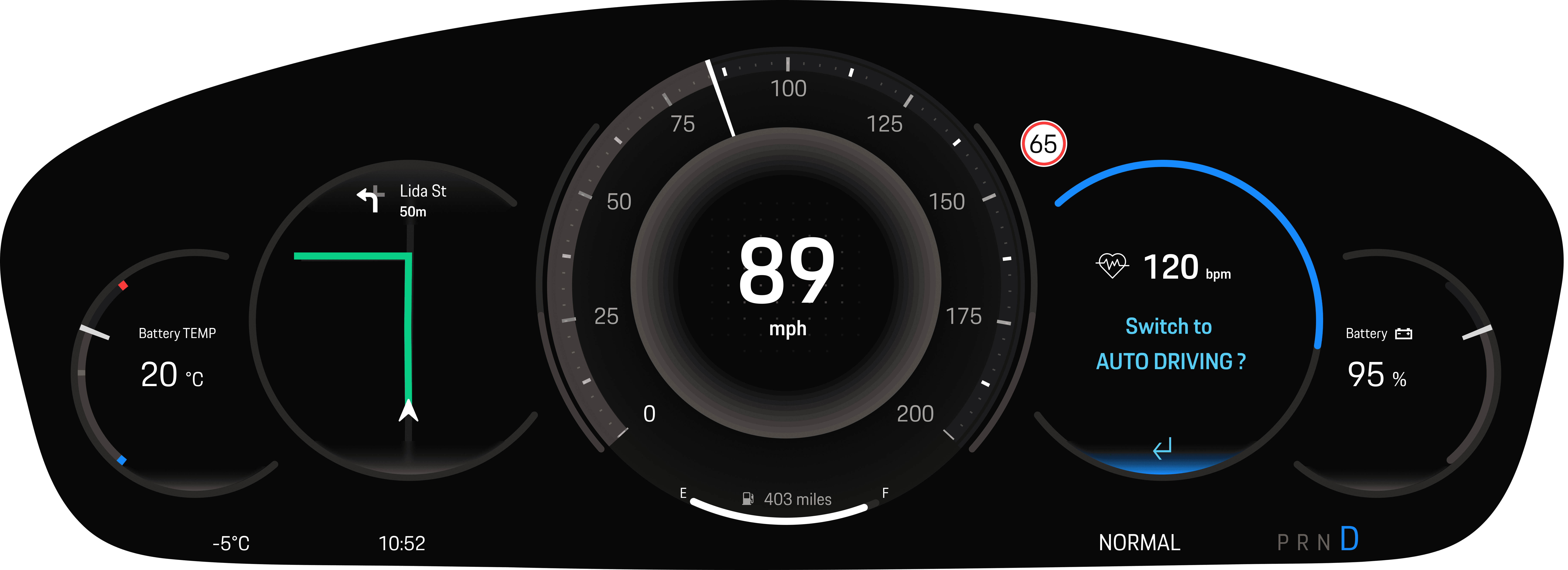
Suggest Auto Driving
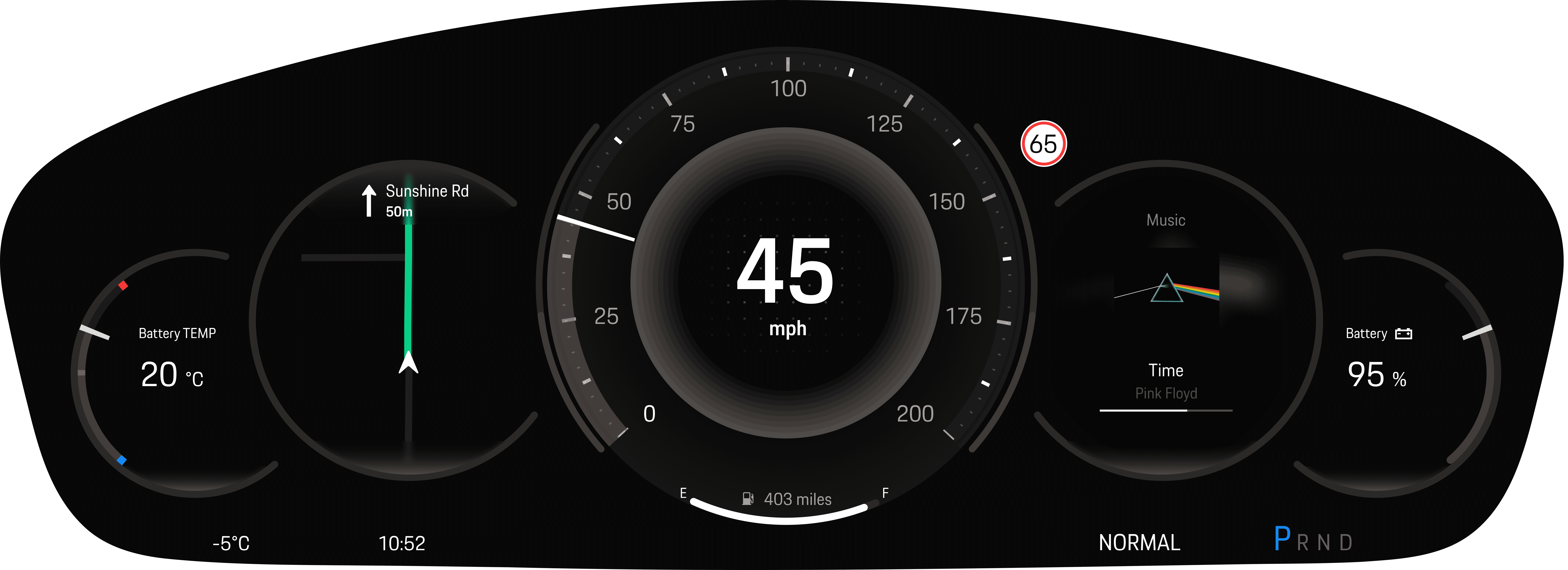
Porsche Classic 5 Gauge
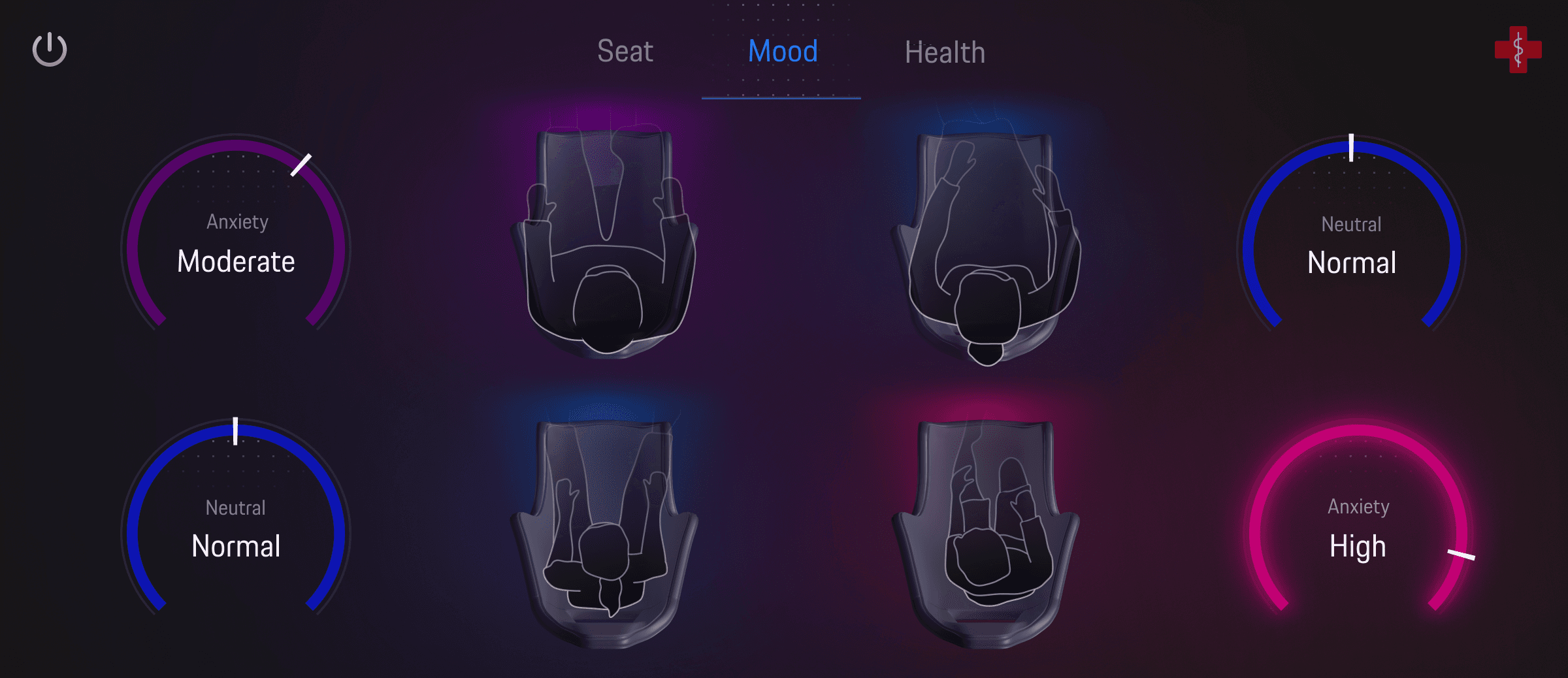
Mood Visualization
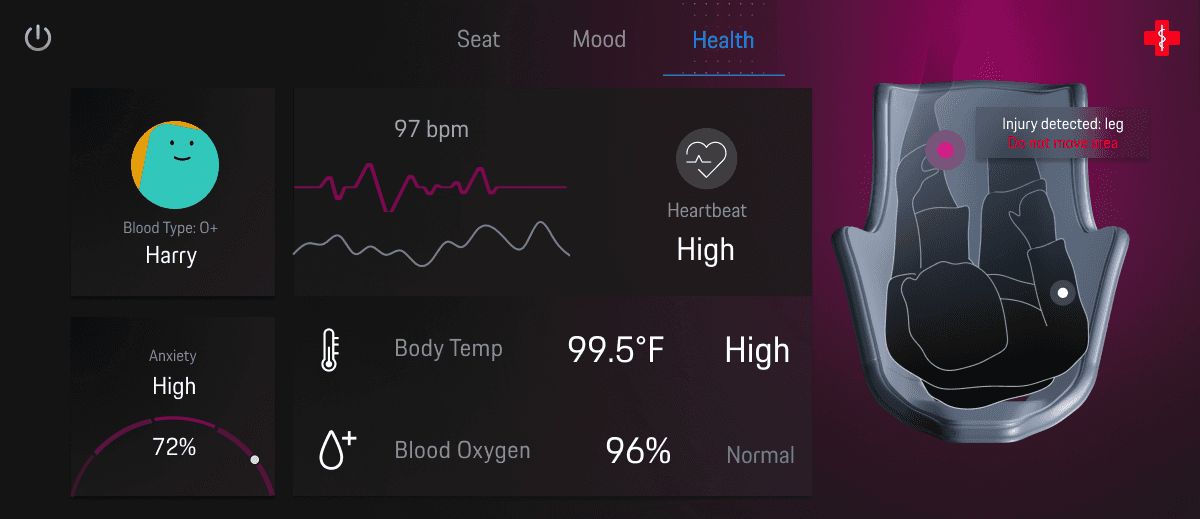
Emergency Mode
Takeaways and Future Vision
Navigating System Level Thinking
Beyond interface design, I tackled the challenge of integrating strict HIPAA regulations and data privacy standards, ensuring the system is not only user-friendly but also legally and ethically viable within the medical ecosystem.
Bridging Design & Engineering
I leveraged physical prototyping as a communication tool to collaborate effectively with Creative Technologists and HMI teams, validating complex HMI logic through tangible interactions rather than just screen-based concepts.
Future Vision
Moving forward, I aim to collaborate with interior designers to craft a fully brand-aligned cockpit while advancing the driver monitoring logic from a concept into a functional, sensor-driven reality.